Doctors Warn: Tiny Red Dots on Your Skin Could Be a Serious Signal
At first glance, small red dots on the skin might seem harmless. Many people assume they are minor rashes, insect bites, allergic reactions, or simple irritation. However, medical professionals caution that certain types of tiny red spots—especially when they appear suddenly or spread quickly—should never be ignored.
These dots can sometimes indicate underlying health conditions that require prompt attention. Understanding the difference between benign skin changes and warning signs is crucial for protecting long-term health.
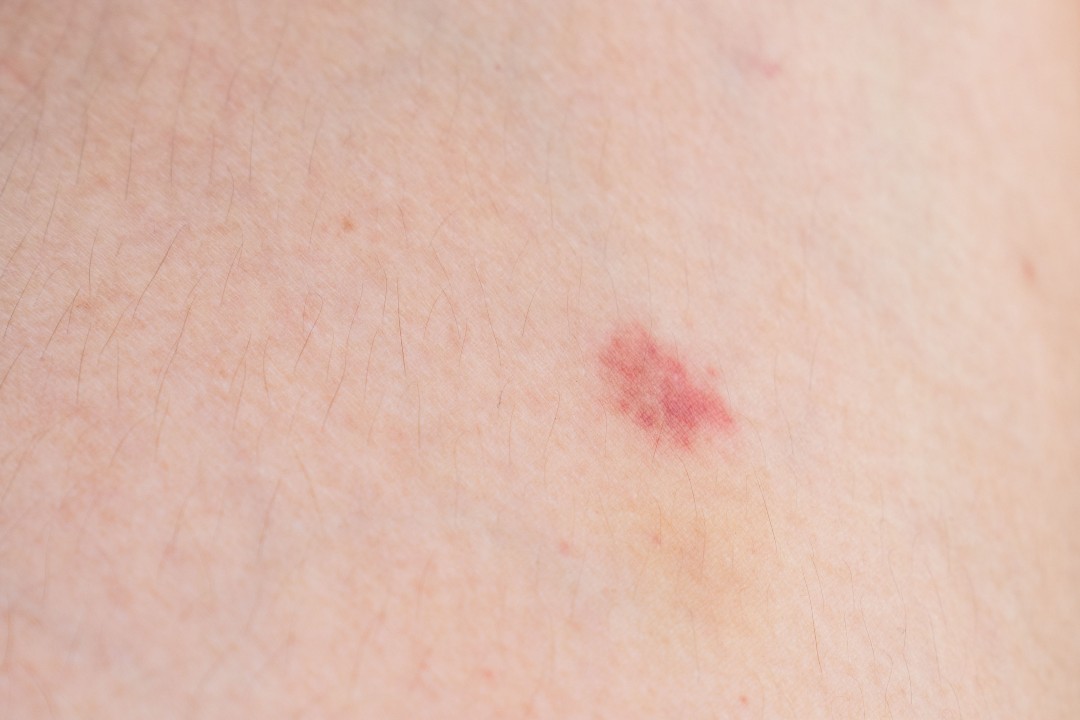


What Are These Tiny Red Dots?
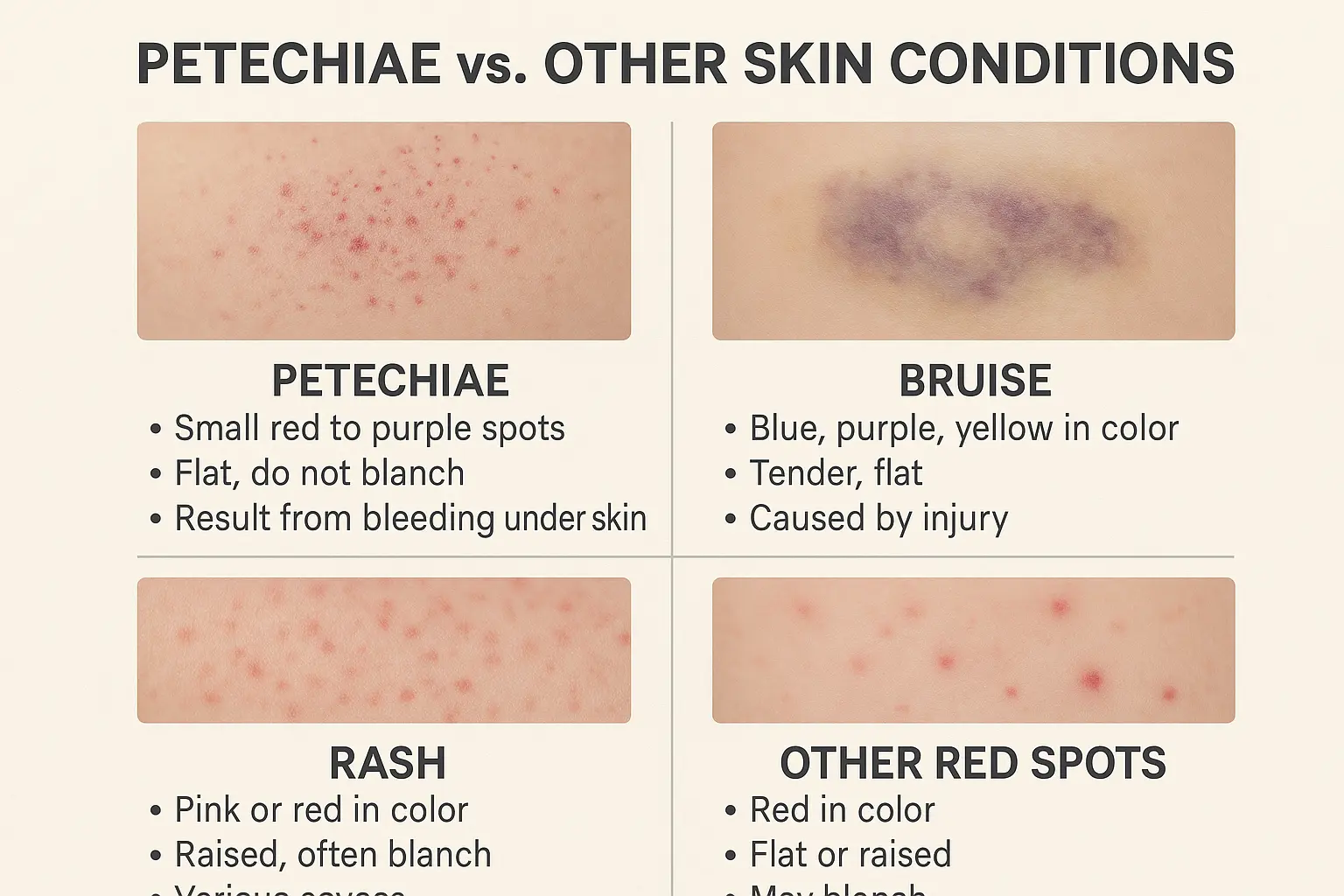
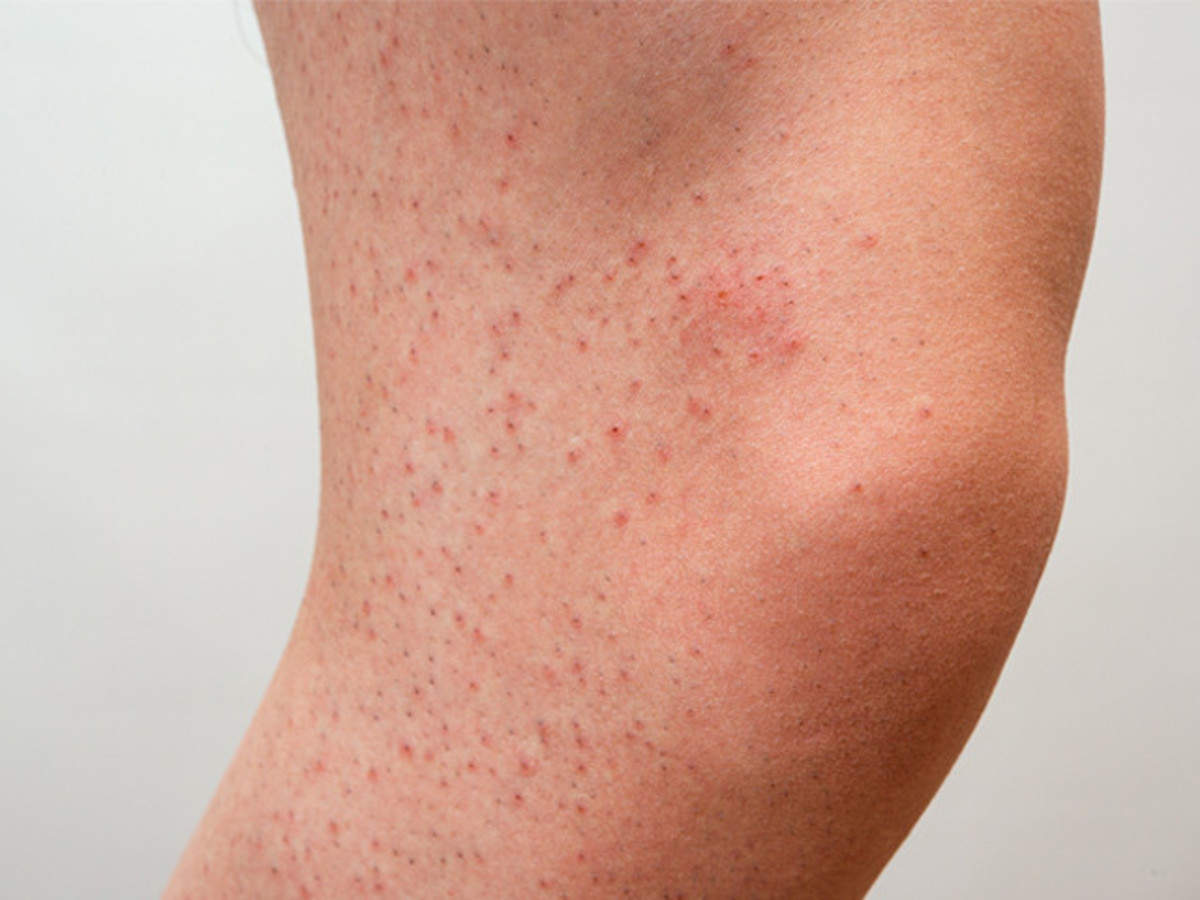
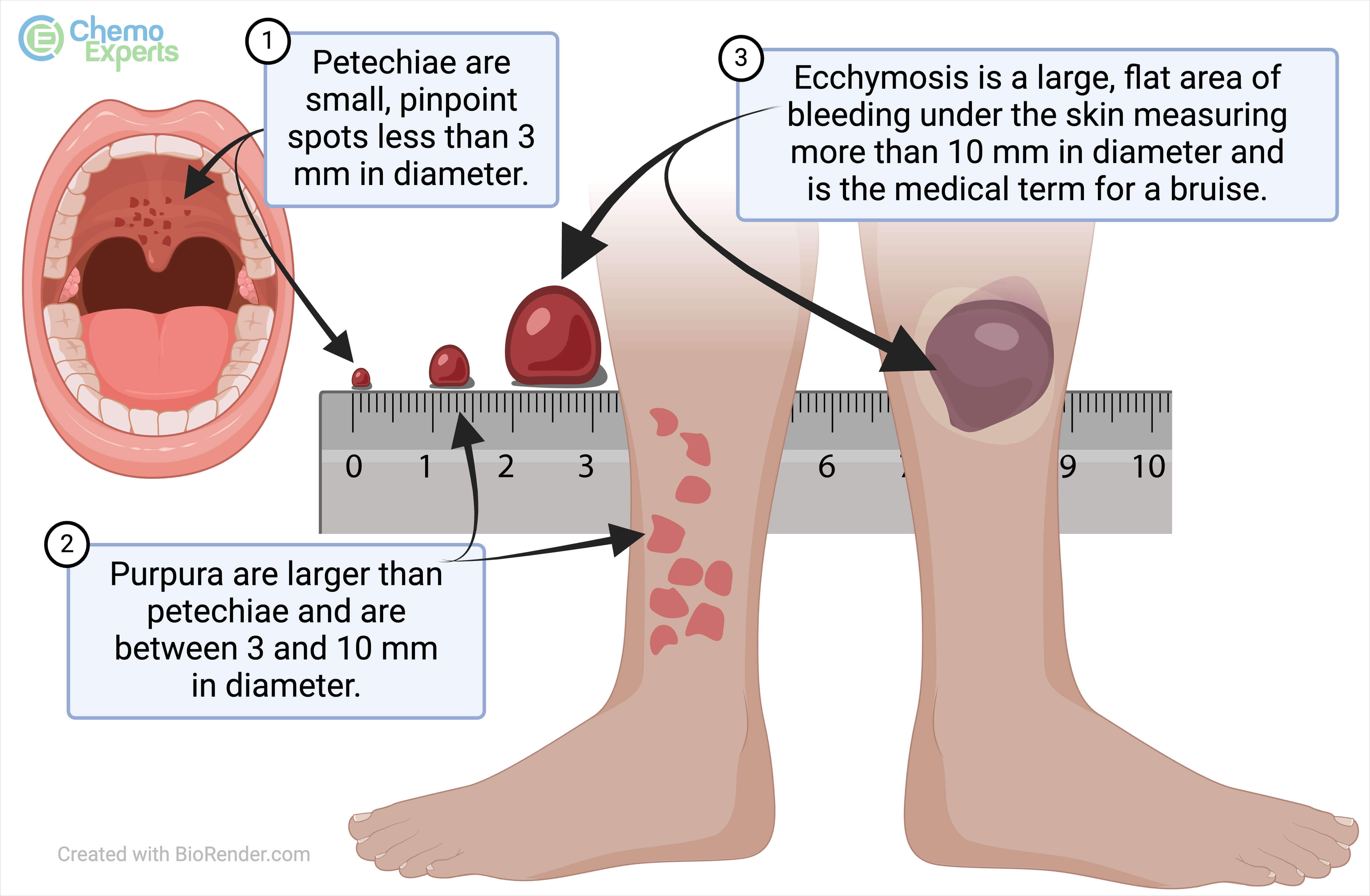
In many cases, these small red or purple pinpoint spots are known medically as petechiae. Petechiae occur when tiny blood vessels (capillaries) break under the skin. Unlike typical rashes, they:
-
Are usually flat
-
Do not blanch (turn white) when pressed
-
May appear in clusters
-
Can spread over time
This distinguishes them from common allergic rashes or hives, which often itch and change appearance when touched.
While petechiae themselves are not a disease, they are often a symptom of an underlying issue. That underlying cause can range from minor to potentially serious.
Common Causes of Small Red Dots
Not every red dot is a reason to panic. Some causes are relatively harmless. These include:
1. Minor Physical Strain
Intense coughing, vomiting, heavy lifting, or prolonged crying can cause capillaries to rupture, leading to small red spots—especially around the eyes or face.
2. Allergic Reactions
Certain medications or foods may trigger skin reactions. However, allergic rashes often itch and may swell, which helps differentiate them.
3. Infections
Viral or bacterial infections can sometimes lead to petechiae. When accompanied by fever or fatigue, medical evaluation becomes more urgent.
4. Platelet Disorders
Platelets help blood clot. If platelet levels drop (a condition called thrombocytopenia), the body becomes more prone to small bleeds under the skin.
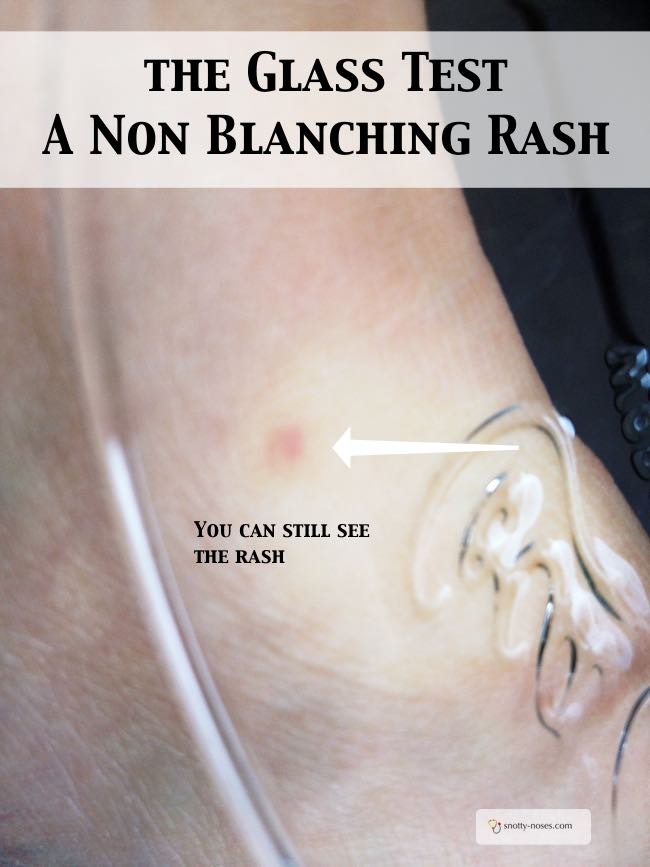
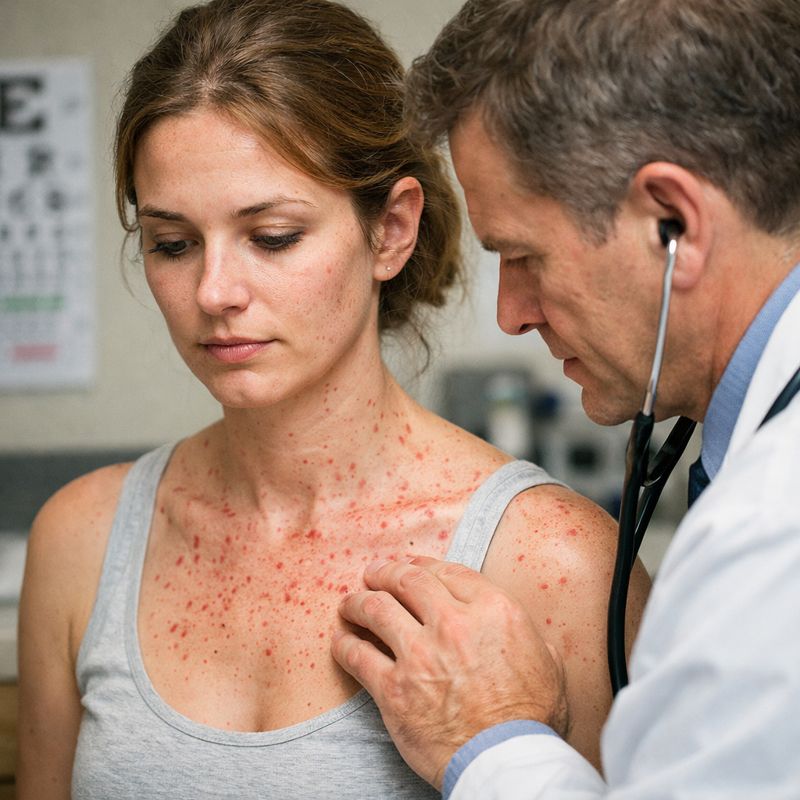
The Glass Test: A Simple Check
Doctors often recommend a quick method called the glass test:
-
Press a clear glass firmly against the red spots.
-
Observe whether the spots fade under pressure.
If the spots do not fade, they may be petechiae and should be assessed by a healthcare professional—especially if other symptoms are present.
This test does not replace medical evaluation, but it can help identify non-blanching rashes that may signal deeper concerns.
When Should You Seek Immediate Medical Attention?
Tiny red dots become more concerning when combined with other symptoms such as:
-
Fever
-
Severe headache
-
Stiff neck
-
Fatigue or weakness
-
Easy bruising
-
Unexplained bleeding (nose, gums)
-
Rapid spreading of the rash
In rare but serious cases, petechiae may be associated with infections such as meningitis or bloodstream infections. These situations require emergency care.
Timing matters. If red spots appear suddenly and are accompanied by systemic symptoms, do not delay seeking medical advice.

How Doctors Diagnose the Cause
A physician will typically perform:
-
A physical examination
-
Blood tests to check platelet count
-
Assessment for infections
-
Review of medications
In some cases, additional imaging or specialized testing may be necessary.
Early detection significantly improves outcomes when underlying conditions are involved.
Conditions That May Be Linked
While many cases are mild, persistent or unexplained petechiae can be associated with:
-
Blood clotting disorders
-
Immune system abnormalities
-
Viral infections
-
Certain medication side effects
-
Nutritional deficiencies
It is important not to self-diagnose. Skin changes are often the body’s external signal of an internal imbalance.
Prevention and Awareness
Although not all causes are preventable, certain measures reduce risk:
-
Maintain a balanced diet rich in vitamin C and K
-
Avoid unnecessary medication misuse
-
Monitor for unusual bruising
-
Seek medical care for persistent infections
-
Have routine health check-ups
Listening to the body’s warning signs is an essential part of preventive healthcare.
Why Ignoring These Signs Can Be Dangerous
The danger lies not in the dots themselves, but in what they may represent. Because they are painless and subtle, many individuals dismiss them as cosmetic issues.
However, the skin often reflects internal health status. Early recognition can mean the difference between a simple treatment and a serious complication.
Medical professionals emphasize that persistent, unexplained, or spreading red dots should always be evaluated.
Final Thoughts
Small red dots on the arm or elsewhere on the body may seem insignificant—but they can be important clues. While many cases are harmless, others require urgent attention.
The key principles are:
-
Observe carefully
-
Perform the glass test
-
Monitor accompanying symptoms
-
Seek medical care if unsure
When it comes to health, it is better to investigate early than regret late.
Awareness saves lives.