Garlic has long been celebrated as one of the healthiest ingredients in the world. From boosting immunity to improving heart health, it is a staple in kitchens and traditional medicine alike. However, recent claims suggest that garlic can “turn into poison” under certain conditions. Is this true, or just another internet exaggeration? The answer lies somewhere in between. Here are eight important facts to help you understand how garlic can affect your health—both positively and negatively.
1. Garlic Is Naturally Powerful
Garlic contains sulfur compounds such as allicin, which give it its strong smell and many of its health benefits. These compounds have antibacterial, antiviral, and anti-inflammatory properties, making garlic a natural health booster.
2. Improper Storage Can Make It Dangerous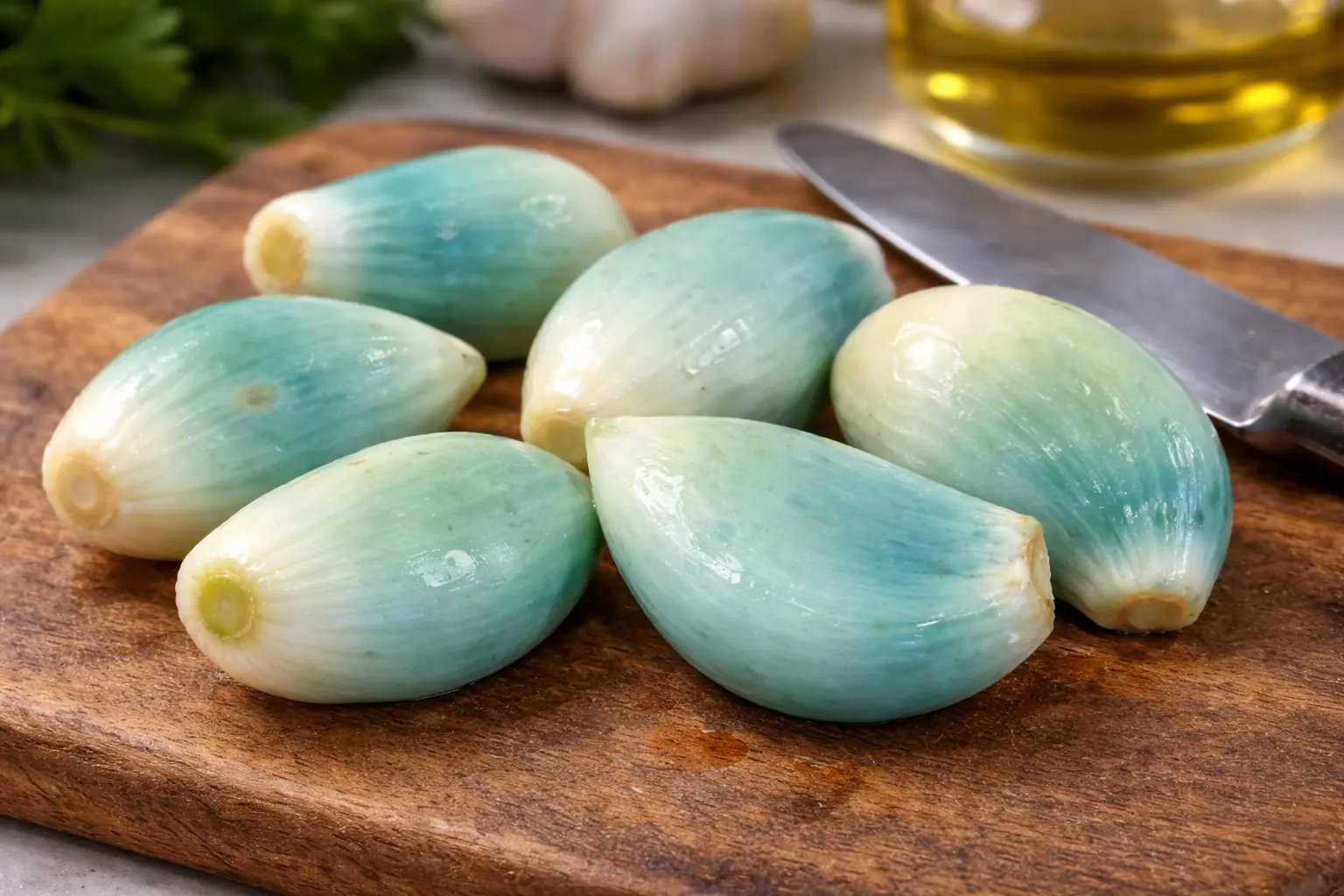
One of the biggest risks associated with garlic comes from how it is stored. Garlic kept in oil at room temperature can create an environment for Clostridium botulinum, a bacterium that produces a dangerous toxin. This is rare but potentially serious, especially in homemade garlic-infused oils.
3. Sprouted Garlic Isn’t Toxic—but It Changes
Garlic that has turned green or started sprouting is often misunderstood. While it is not poisonous, the taste becomes more bitter, and some of its beneficial compounds may decrease. However, it is still generally safe to eat if not spoiled.
4. Burnt Garlic Can Be Harmful
Cooking garlic at very high temperatures until it burns can produce harmful compounds and destroy its beneficial nutrients. Burnt garlic not only tastes unpleasant but may also contribute to oxidative stress in the body when consumed frequently.
5. Eating Too Much Can Cause Side Effects
Garlic is healthy in moderation, but excessive consumption can lead to digestive discomfort, bloating, or acid reflux. In some cases, large amounts may interfere with blood clotting, especially for people taking blood-thinning medications.
6. Raw Garlic Is Potent—but Not for Everyone
Raw garlic provides the highest level of active compounds, but it can be too strong for some people. Eating it on an empty stomach may cause irritation or discomfort, particularly for those with sensitive digestive systems.
7. Moldy Garlic Should Never Be Used
If garlic shows signs of mold, unusual softness, or a rotten smell, it should be discarded immediately. Mold can produce toxins that are harmful when ingested, making spoiled garlic unsafe.
8. The “Poison” Claim Is Often Misleading
The idea that garlic “turns into poison” is usually an oversimplification. In reality, garlic becomes harmful only under specific conditions—such as improper storage, burning, or spoilage. When handled and consumed correctly, it remains one of the healthiest foods you can include in your diet.
The Bottom Line
Garlic is not inherently dangerous, but like any powerful food, it must be used properly. The risks associated with garlic are less about the ingredient itself and more about how it is stored, prepared, and consumed. Avoid keeping garlic in oil at room temperature, don’t eat spoiled cloves, and be mindful of how much you consume.
Rather than fearing garlic, it’s better to understand it. When used correctly, garlic remains a nutritious and flavorful addition to your meals—far from the “poison” some headlines claim it to be.