If You Drool While Sleeping Often: What Your Body Might Be Trying to Tell You
Waking up to a damp pillow can feel a little embarrassing, but occasional drooling during sleep is actually quite normal. However, if it happens frequently or excessively, it may be more than just a harmless habit. Your body often communicates underlying issues through subtle signs, and persistent drooling during sleep could be one of them.
Let’s break down what’s really going on — and when it might be time to pay closer attention.
Why Do People Drool While Sleeping?
Drooling, medically known as sialorrhea, occurs when saliva escapes from the mouth unintentionally. During sleep, especially in deep stages, the muscles around your mouth and throat relax. If you’re lying on your side or stomach, gravity can cause saliva to pool and leak out.
In many cases, this is harmless. But when drooling becomes frequent, excessive, or paired with other symptoms, it may indicate underlying health concerns.
1. Sleep Apnea
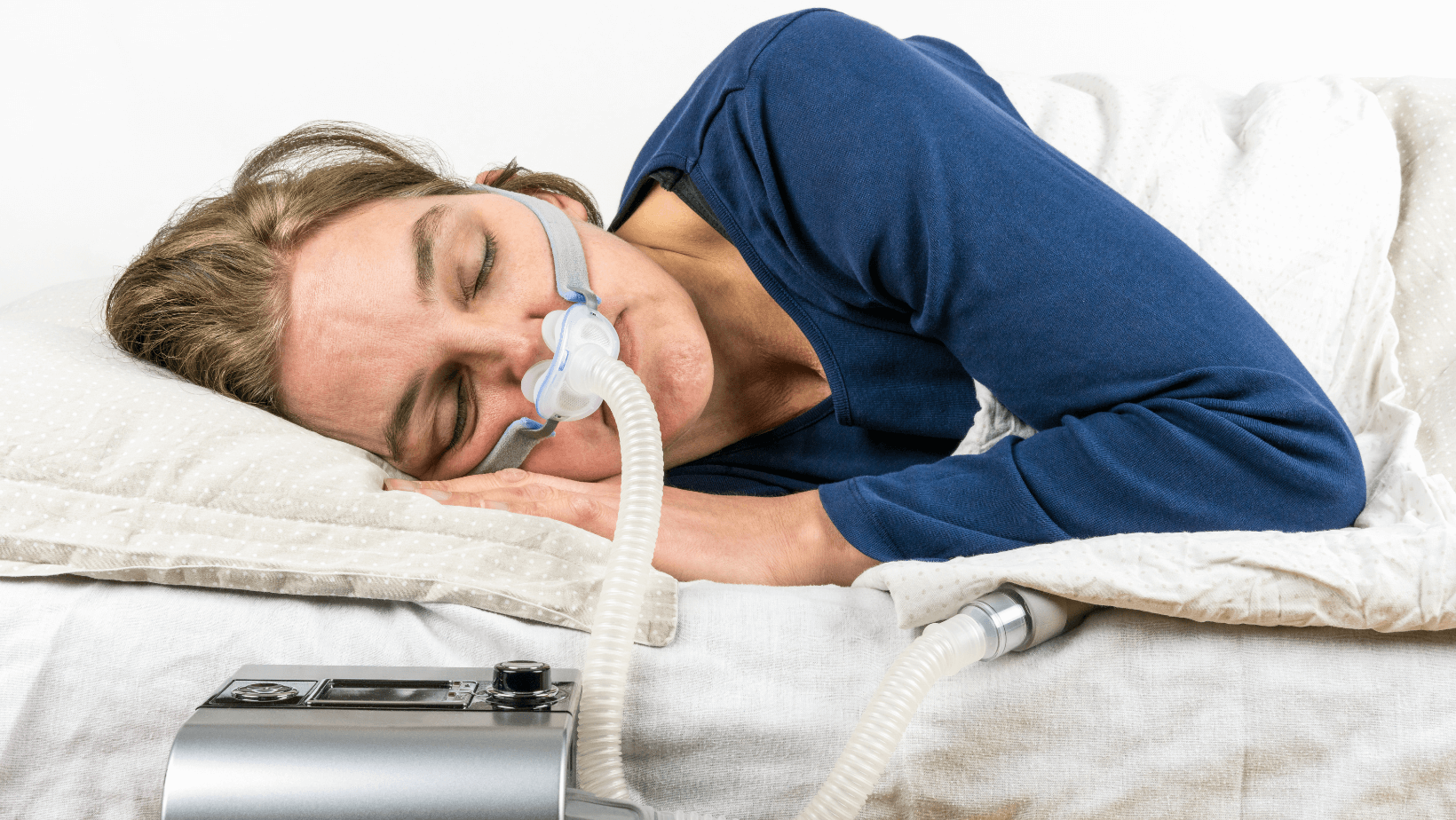
One of the most common causes of excessive drooling is sleep apnea, a condition where breathing repeatedly stops and starts during sleep.
People with sleep apnea often:
- Sleep with their mouth open
- Experience interrupted breathing
- Snore loudly
Because the airway is partially blocked, the body compensates by breathing through the mouth — increasing saliva leakage.
Why it matters: Untreated sleep apnea can lead to fatigue, heart problems, and poor concentration.
2. Nasal Congestion or Sinus Issues
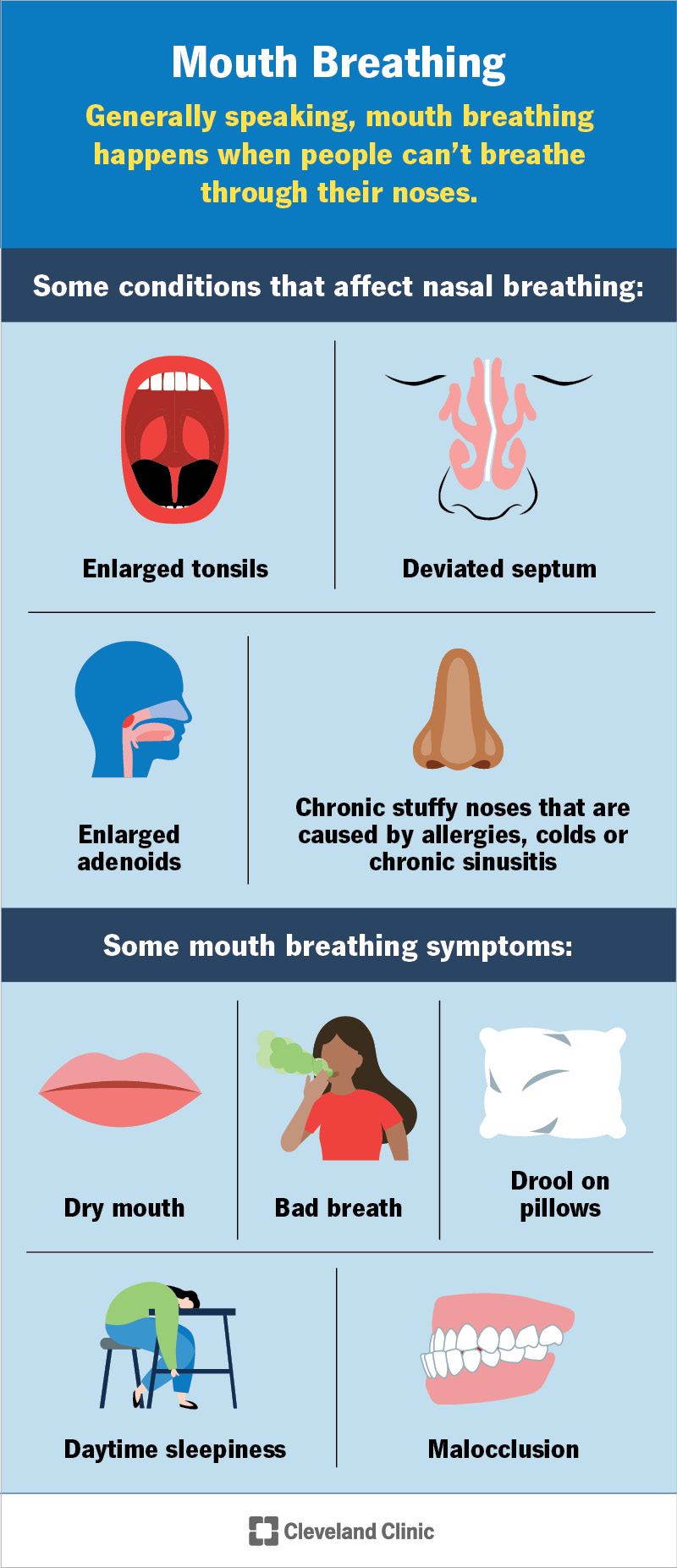
If your nose is blocked due to allergies, colds, or sinus infections, you’re more likely to breathe through your mouth at night.
This leads to:
- Increased saliva buildup
- Reduced swallowing reflex during sleep
- More frequent drooling
Common triggers include:
- Seasonal allergies
- Chronic sinusitis
- Deviated septum
3. Gastroesophageal Reflux Disease (GERD)
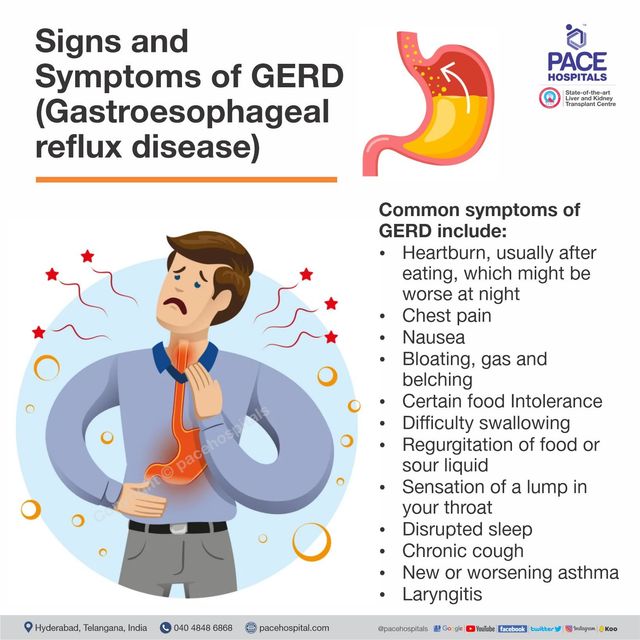
GERD is a digestive disorder where stomach acid flows back into the esophagus. Surprisingly, it can also lead to excessive saliva production — a response known as water brash.
Symptoms may include:
- Heartburn
- Sour taste in the mouth
- Nighttime discomfort
When lying down, GERD symptoms worsen, and saliva may accumulate and leak during sleep.
4. Neurological Conditions
Certain neurological disorders can affect muscle control, including the muscles responsible for swallowing.
Conditions linked to drooling:
- Parkinson’s disease
- Stroke
- Multiple sclerosis
These conditions may impair the ability to swallow saliva properly, causing it to build up and escape during sleep.
5. Medication Side Effects
Some medications can increase saliva production or affect muscle control.
Examples include:
- Sedatives
- Antipsychotics
- Certain antibiotics
If drooling started after beginning a new medication, it may be worth discussing with a healthcare provider.
6. Oral or Dental Issues
Sometimes the cause is much simpler — problems within the mouth itself.
These may include:
- Misaligned teeth
- Gum infections
- Mouth ulcers
These issues can interfere with proper mouth closure or swallowing reflexes, leading to drooling.
Visual Clues and Common Scenarios

 4
4
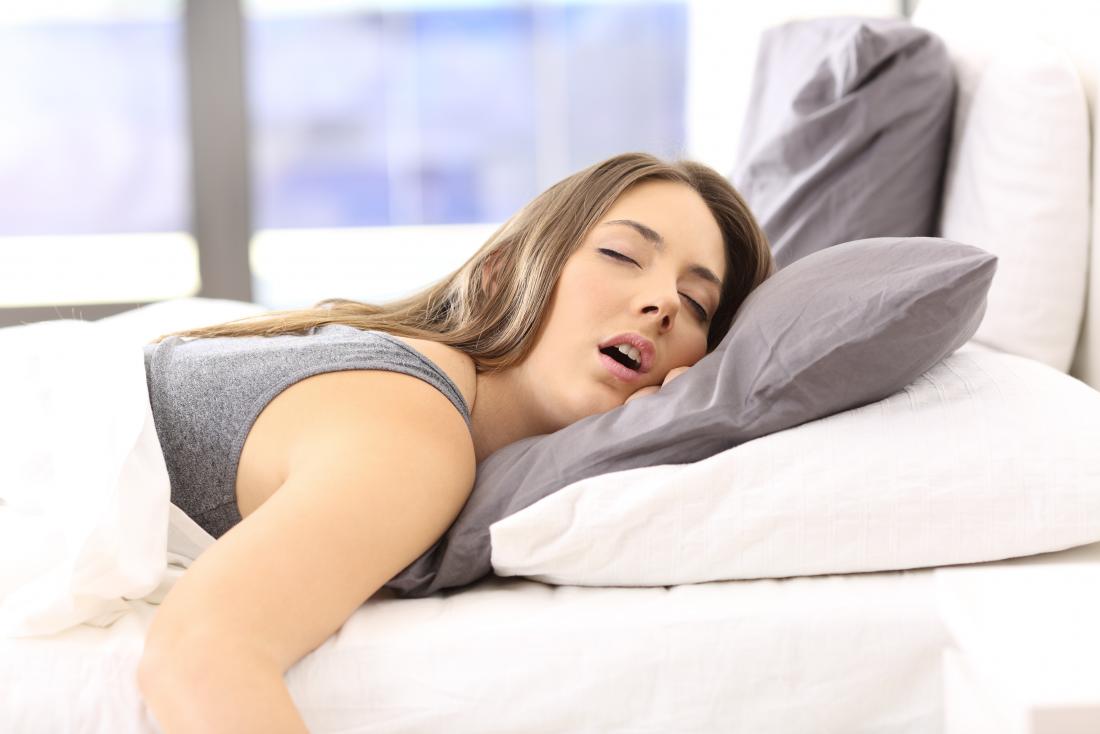
These visuals highlight how sleeping posture and mouth position can directly influence drooling. Side sleeping combined with relaxed facial muscles often creates the perfect conditions for saliva to escape.
When Should You Be Concerned?
Occasional drooling is not a red flag. However, you should pay attention if it comes with other symptoms, such as:
- Loud snoring or choking during sleep
- Persistent fatigue
- Difficulty swallowing
- Frequent acid reflux
- Sudden increase in drooling
These signs may indicate that the issue goes beyond simple sleep posture.
How to Reduce Drooling While Sleeping
The good news is that in many cases, drooling can be managed or reduced with simple adjustments.
1. Change Sleeping Position
Sleeping on your back can help keep saliva from pooling and leaking out.
2. Improve Nasal Breathing
Use:
- Saline sprays
- Humidifiers
- Allergy treatments
Clearing nasal passages reduces mouth breathing.
3. Maintain Oral Hygiene
Healthy teeth and gums improve muscle control and reduce saliva imbalance.
4. Elevate Your Head
Using a slightly higher pillow can prevent saliva from accumulating.
5. Treat Underlying Conditions
If drooling is linked to GERD, sleep apnea, or neurological issues, addressing the root cause is essential.
More Real-Life Context
 4
4
These images reflect common medical scenarios associated with excessive drooling — from breathing assistance devices to reflux and neurological challenges.
Final Thoughts
Drooling while sleeping is often harmless, but when it becomes frequent, it can be your body signaling something deeper. Whether it’s sleep apnea, nasal blockage, digestive issues, or neurological conditions, understanding the root cause is key.
Instead of ignoring it, treat it as a small but meaningful clue. Paying attention early can help prevent more serious health complications later.
If the issue persists or worsens, seeking medical advice is always the smartest move.