In a world where life moves faster every day, the mind rarely gets a moment of true silence. Phones vibrate with constant notifications, responsibilities pile up, and mental overload has quietly become part of daily life. Many people feel as though they are always thinking, always reacting, and rarely resting. Because of this, the search for calm and mental clarity is no longer a luxury. It has become a real necessity.
When people begin looking for ways to feel more balanced, they often imagine complicated solutions. Expensive wellness retreats, elaborate meditation techniques, or long hours of mindfulness training may come to mind. While these approaches can certainly be helpful, there is a far simpler practice that has existed for thousands of years.
It requires no equipment, no special environment, and no advanced skills.
All it asks is the gentle placement of your hands.
This ancient practice is known as Gyan Mudra, often called the Mudra of Knowledge.
For centuries, Gyan Mudra has been used in yoga, meditation, and contemplative traditions as a gateway to clarity, awareness, and inner stillness. At first glance, it may appear to be nothing more than a simple hand gesture. Yet within yogic philosophy, it is believed to influence the mind, regulate emotions, sharpen awareness, and support long-term mental wellbeing.
Today, modern science is beginning to explore why such a subtle gesture may produce noticeable effects on the brain and nervous system.
What Is Gyan Mudra?
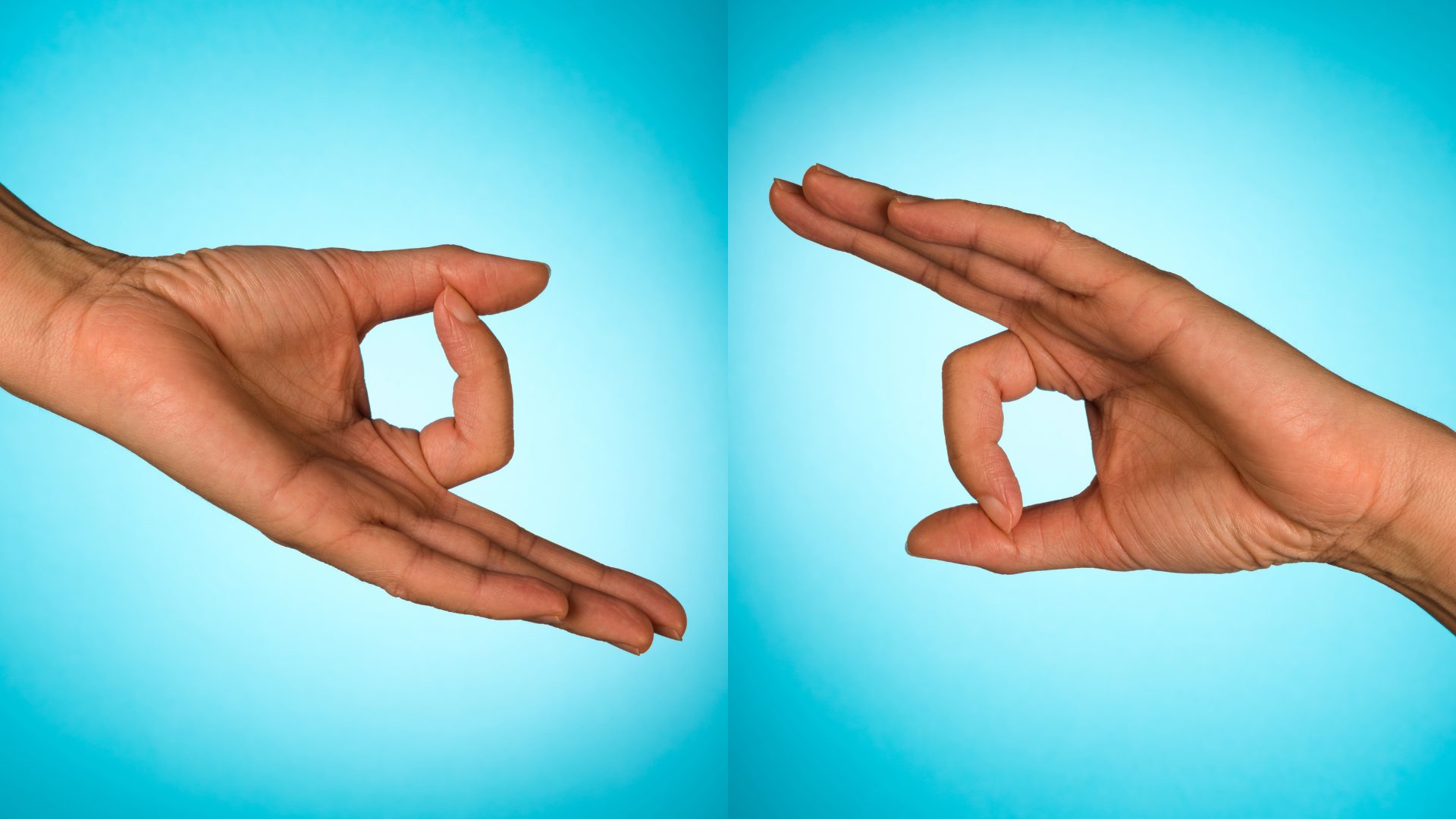
Gyan Mudra is a symbolic hand position commonly practiced during meditation, pranayama (breathing exercises), and mindfulness practices. It is one of the most recognized mudras in yogic traditions and appears frequently in ancient sculptures, paintings, and spiritual artwork depicting meditation.
The gesture is simple, yet its meaning is deeply rooted in centuries of philosophical thought.
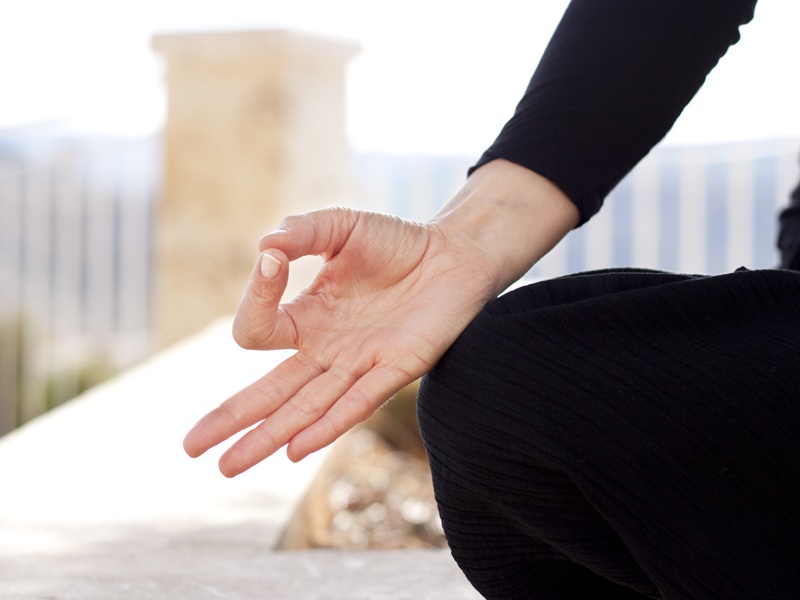
How to Form Gyan Mudra
Practicing Gyan Mudra takes only a few seconds:
-
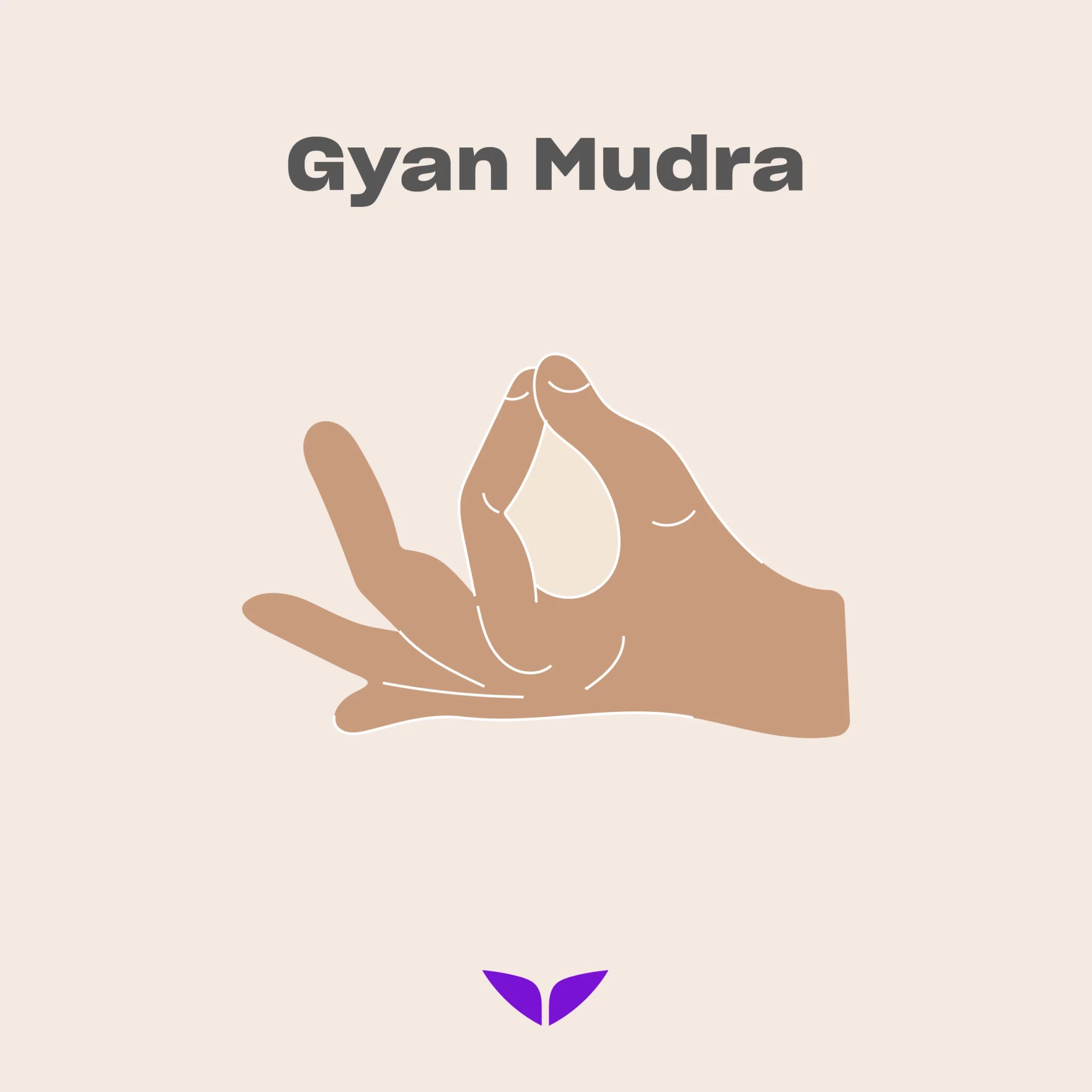
Gently touch the tip of the index finger to the tip of the thumb
-
Keep the remaining three fingers extended but relaxed
-
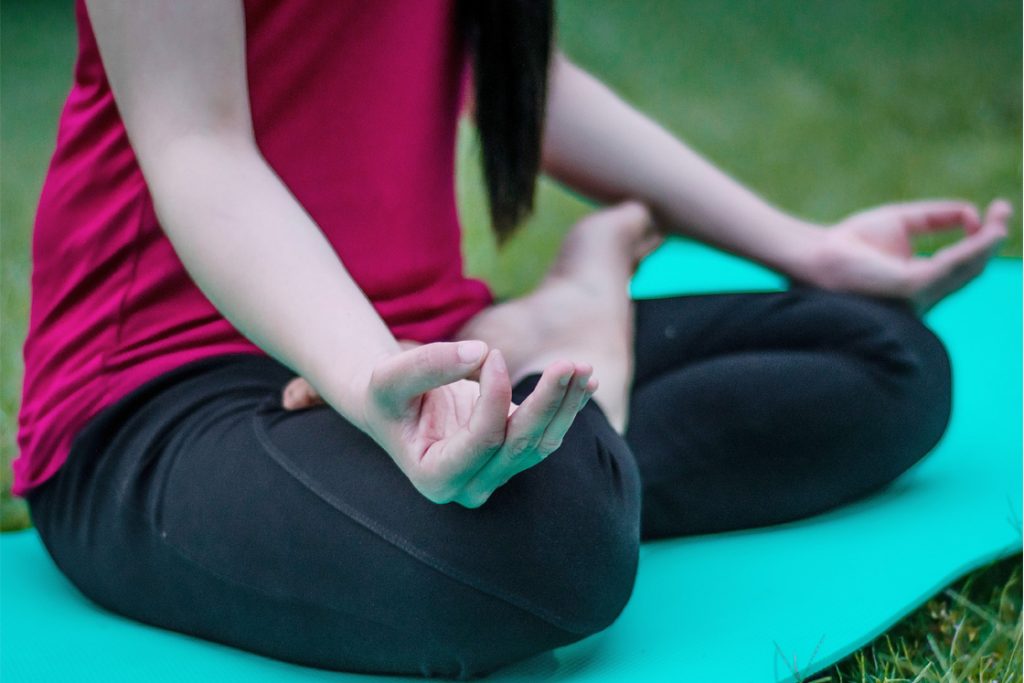
Rest the hands on the knees or thighs
-
Turn the palms upward
-
Keep the spine upright, shoulders soft, and jaw relaxed
The body should feel comfortable and natural rather than rigid.
Meaning of the Name
The term comes from Sanskrit:
-
Gyan (Jnana) means knowledge, wisdom, or awareness
-
Mudra means gesture, seal, or symbolic position
Together, Gyan Mudra represents the awakening of knowledge and the connection between individual awareness and deeper understanding.
Rather than being just a physical gesture, it is considered a symbolic bridge between the mind and inner consciousness.
The Symbolism Behind the Gesture
In yogic philosophy, the human body is believed to reflect the same natural elements that exist throughout the universe. Each finger represents one of these fundamental elements that influence both physical and mental balance.
-
Thumb → Fire (energy, transformation, vitality)
-
Index finger → Air (movement, intellect, thought)
-
Middle finger → Space
-
Ring finger → Earth
-
Little finger → Water
When the thumb (fire) touches the index finger (air), it symbolizes the union of energy and intellect, action and awareness, and individual consciousness with universal knowledge.
According to traditional teachings, this union helps stabilize the restless activity of the mind.
Instead of forcing the mind into silence, Gyan Mudra gently invites it to settle.
The remaining three fingers, which represent earth, water, and space, remain extended to symbolize balance among the other elements of existence.
What Modern Science Suggests
Mudras originated from ancient wisdom traditions, but modern neuroscience is beginning to explore how such practices may influence mental states.
When Gyan Mudra is practiced during meditation or mindful breathing, several physiological responses may occur in the body.
Nervous System Relaxation
The body may shift toward the parasympathetic nervous system, which is responsible for rest, recovery, and relaxation. This shift helps reduce the constant "fight-or-flight" state that many people experience during stressful days.
Changes in Brain Activity
Research on meditation has shown increased alpha and theta brain waves, which are associated with calm focus, creativity, and relaxed awareness. Hand gestures like Gyan Mudra may reinforce this state by promoting stillness and body awareness.
Reduced Stress Hormones
Practices that combine posture, breathing, and mindful attention may help reduce cortisol, the hormone associated with stress.
Improved Attention and Emotional Regulation
The gentle pressure between the fingers, combined with controlled breathing and upright posture, creates a grounding sensation. This helps the brain disengage from constant stimulation and shift toward a more balanced mental state.
In simple terms, the gesture helps bring the body and mind into alignment.
Health and Wellness Benefits of Gyan Mudra
While the gesture itself is simple, consistent practice may offer a range of mental and emotional benefits.
1. Improved Focus and Mental Clarity
Gyan Mudra is widely used by students, professionals, writers, and creative thinkers to support concentration.
Many practitioners report that regular use helps:
-
Improve attention span
-
Reduce mental distraction
-
Encourage clearer thinking
It can be especially helpful during moments of mental overload when thoughts feel scattered or unfocused.
2. Reduced Stress and Anxiety
One of the most noticeable effects of Gyan Mudra is its ability to promote relaxation.
By activating the body's natural calming response, the gesture may help:
-
Slow racing thoughts
-
Ease nervous tension
-
Reduce feelings of overwhelm
Over time, the mind becomes less reactive to stress and more capable of responding calmly to challenges.
3. Enhanced Memory and Learning
Traditional yogic texts often associate Gyan Mudra with intellectual clarity and memory improvement.
Many people practice the gesture while:
-
Studying
-
Reading
-
Reflecting on information
This practice encourages a focused state of awareness, making it easier to absorb and retain new knowledge.
4. Emotional Balance and Self-Awareness
Gyan Mudra also supports emotional stability by encouraging introspection.
With consistent practice, individuals often experience:
-
Greater emotional awareness
-
Fewer mood fluctuations
-
Improved understanding of personal thoughts and reactions
This deeper awareness can help people navigate emotionally difficult situations with greater clarity.
5. Deeper Meditation and Inner Stillness
Because of its calming influence, Gyan Mudra is one of the most commonly used hand gestures in meditation.
The posture naturally encourages alert relaxation — a state where the mind remains aware without becoming tense or restless.
This balance allows meditation to deepen naturally over time.
6. Better Sleep Quality
Practicing Gyan Mudra in the evening may help quiet the mind before sleep.
By reducing mental chatter and calming the nervous system, many people find that they:
-
Fall asleep more easily
-
Experience deeper, more restful sleep
-
Wake up feeling more refreshed
Even a short practice before bedtime can create a noticeable difference.
7. Long-Term Cognitive Support
Regular meditation practices are often associated with maintaining brain flexibility and cognitive resilience.
Gyan Mudra may support long-term mental health by encouraging balanced brain activity and reducing chronic stress, both of which play a role in cognitive aging.
For this reason, it can benefit both young individuals facing academic pressure and older adults seeking mental clarity.
8. Balanced Energy Flow
In yogic philosophy, Gyan Mudra helps regulate prana, the subtle life force believed to flow through the body.
When this energy moves smoothly, individuals often experience:
-
Greater mental balance
-
Stable emotional energy
-
Reduced feelings of fatigue or burnout
Rather than stimulating the body, the gesture promotes calm vitality.
How to Practice Gyan Mudra Correctly
The effectiveness of Gyan Mudra depends more on consistency and awareness than on perfection.
Step-by-Step Practice
-
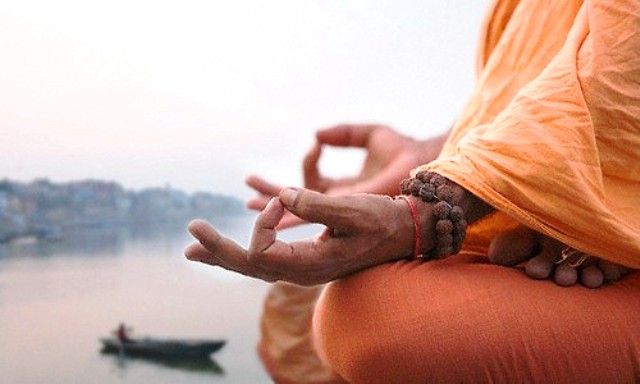
Sit comfortably on the floor, a cushion, or a chair
-
Keep the spine upright but relaxed
-
Rest the hands gently on the knees or thighs
-
Form Gyan Mudra with both hands
-
Close the eyes softly
-
Bring attention to the natural rhythm of the breath
Breathing
Breathing should remain slow and natural.
-
Inhale gently through the nose
-
Exhale slowly and completely
-
Avoid forcing the breath
The goal is to allow the body and mind to relax naturally.
This practice can be combined with:
-
Silent meditation
-
Mantra repetition
-
Simple breath awareness
Best Time and Duration
Gyan Mudra can be practiced at almost any time of day.
Many practitioners find it most effective during:
-
Early morning meditation
-
Quiet moments during the day
-
Evening relaxation before sleep
Practicing 15 to 30 minutes daily is often recommended, but even five minutes a day can create noticeable benefits over time.
Consistency matters far more than duration.
Who Can Practice Gyan Mudra?
One of the greatest strengths of this practice is its accessibility.
Gyan Mudra is suitable for:
-
Beginners and experienced meditators
-
Young people and older adults
-
Individuals with limited physical flexibility
It requires no special equipment, no advanced training, and no specific location.
Tips for Better Results
To experience the full benefits of the practice, consider these simple guidelines:
-
Practice in a quiet environment
-
Maintain a relaxed posture
-
Avoid tension in the fingers or shoulders
-
Pair the gesture with mindful breathing
-
Practice regularly rather than occasionally
Small, consistent habits often produce the most lasting results.
Clearing Up Common Misconceptions
There are several misunderstandings surrounding mudras.
Gyan Mudra is not a religious ritual.
It does not replace medical treatment.
It does not require years of training.
Its effects are typically subtle and gradual, building over time as the body and mind become more balanced.
Final Thoughts
In a fast-moving world filled with distractions, calm often feels distant and difficult to reach. Yet sometimes the most powerful tools for clarity are also the simplest.
Gyan Mudra offers a quiet reminder that balance does not always come from doing more.
Sometimes, it begins with pausing, breathing, and becoming aware.
With just a few minutes of daily practice, this ancient hand gesture may help soothe the nervous system, sharpen focus, and reconnect the mind with a deeper sense of calm.
And perhaps the most beautiful part of all is this:
The path toward clarity may not require traveling anywhere.
It may begin right at your fingertips.