Warning Symptoms of Heart Blockage in Legs and Feet at Night
Cardiovascular disease does not always begin with dramatic chest pain. In many individuals, the first warning signs appear quietly—in the legs and feet, particularly at night. When arteries become narrowed or blocked due to plaque buildup, blood flow to the lower extremities decreases. This condition, often related to peripheral artery disease (PAD), may signal underlying heart and vascular problems.
Understanding these nighttime symptoms can help identify circulation issues early—before a life-threatening cardiac event occurs.


What Causes Blockage in the Arteries?
Heart blockage and leg circulation problems typically stem from atherosclerosis—a process in which fatty deposits (plaque) accumulate along arterial walls. Over time, this buildup narrows the arteries, reducing oxygen-rich blood supply to muscles and tissues.
Common risk factors include:
-
Smoking
-
High cholesterol
-
High blood pressure
-
Diabetes
-
Sedentary lifestyle
-
Obesity
When blood flow becomes restricted in the lower limbs, symptoms often become more noticeable during periods of rest—especially at night.
1. Leg Pain That Worsens at Night
One of the hallmark symptoms of poor circulation is rest pain.
This type of discomfort:
-
Occurs while lying down
-
Improves when sitting up or dangling the legs off the bed
-
Feels like aching, burning, or throbbing
At night, gravity no longer assists blood flow to the legs. As a result, tissues deprived of oxygen may produce persistent pain. This is a significant warning sign of advanced arterial narrowing.


2. Cold Feet or Temperature Changes
Reduced blood supply often causes the feet to feel:
-
Unusually cold
-
Numb or tingling
-
Pale or bluish in color
Even in warm environments, individuals may notice one foot colder than the other. Persistent temperature differences between limbs should not be ignored.
3. Numbness or Tingling Sensations
When circulation is impaired, nerves may not receive adequate oxygen. This can result in:
-
Pins-and-needles sensations
-
Partial loss of feeling
-
Weakness in the legs
Although temporary tingling can occur from sleeping in awkward positions, recurring numbness—especially combined with other symptoms—requires evaluation.


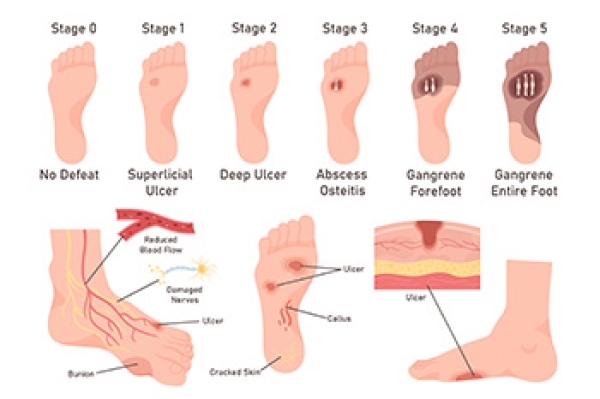
4. Slow-Healing Wounds on Feet
Poor blood flow compromises the body’s ability to repair tissue. Watch for:
-
Cuts or blisters that do not heal
-
Sores on toes or heels
-
Skin that appears shiny or thin
In severe cases, untreated blockages can lead to ulcers and serious infections.
5. Leg Cramps During Rest
Muscle cramps at night—particularly in the calves—may signal circulation problems. While dehydration can also cause cramps, recurring pain that improves when standing or walking may point to vascular insufficiency.
Why Nighttime Symptoms Matter
During the day, movement stimulates blood circulation. At night, circulation slows, and symptoms become more pronounced. This is why many people with arterial blockages report worsening discomfort while resting.
Nighttime leg pain is not merely a sleep disturbance—it may be an early cardiovascular alarm.
Connection Between Leg Arteries and Heart Health
Blocked arteries in the legs often indicate plaque buildup elsewhere in the body—including coronary arteries that supply the heart. Peripheral artery disease significantly increases the risk of:
-
Heart attack
-
Stroke
-
Sudden cardiac events
The body functions as an interconnected vascular system. A problem in one region frequently reflects systemic disease.
When to Seek Medical Care
Consult a healthcare professional if you experience:
-
Persistent nighttime leg pain
-
Cold, discolored feet
-
Numbness accompanied by weakness
-
Non-healing foot wounds
-
Reduced pulse in the feet
Diagnosis may include:
-
Ankle-brachial index (ABI) testing
-
Doppler ultrasound
-
Blood tests
-
Imaging studies
Early treatment—through lifestyle changes, medication, or medical procedures—can restore blood flow and prevent serious complications.
Prevention and Risk Reduction
Protecting cardiovascular health requires proactive management:
-
Quit smoking
-
Maintain healthy cholesterol levels
-
Exercise regularly
-
Control blood pressure and blood sugar
-
Follow a heart-healthy diet
Small changes implemented early significantly reduce the risk of arterial blockage.
Final Thoughts
Nighttime leg and foot symptoms should never be dismissed as minor discomfort. Persistent pain, coldness, or numbness may reflect deeper circulatory problems linked to heart health.
Recognizing these warning signs—and acting promptly—can prevent severe cardiovascular events.
The body often whispers before it screams. Listening early can save a life.