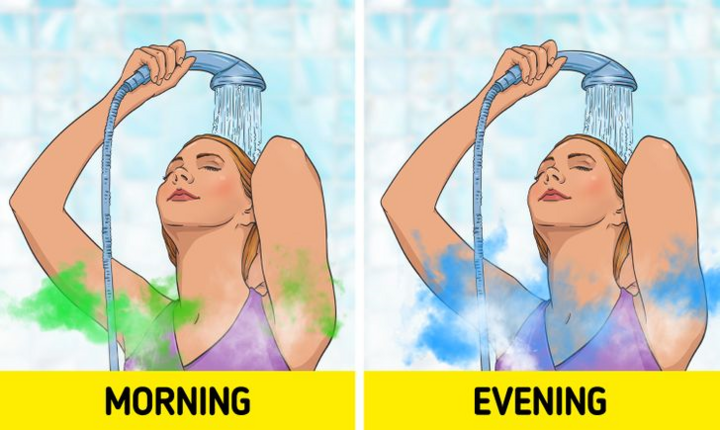
Showering is a daily routine for many people, but the timing of that shower often varies from person to person. Some prefer to start their day with a refreshing morning shower, while others enjoy relaxing under warm water before going to bed. Although both habits can promote cleanliness and comfort, many health and lifestyle experts suggest that showering at night may offer several unique benefits.
From improving sleep quality to keeping your bedding cleaner, nighttime showers may provide advantages that are sometimes overlooked. Understanding how this habit affects the body and environment can help people decide which routine works best for them.

Washing Away the Day’s Dirt and Pollutants
During the day, the body is exposed to various environmental elements. These may include:
-
Dust and dirt
-
Sweat
-
Bacteria
-
Air pollution
-
Pollen and allergens
Even if these particles are not always visible, they can accumulate on the skin, hair, and clothing throughout the day.
Showering at night helps remove these substances before getting into bed. This prevents dirt and pollutants from transferring onto pillows, sheets, and blankets.
Over time, this simple habit can contribute to cleaner bedding and a more hygienic sleeping environment.
Improving Sleep Quality
One of the most commonly cited benefits of nighttime showers is their potential to support better sleep.
Warm water can help relax the body and prepare it for rest. When you step out of a warm shower, your body temperature gradually begins to drop. This drop in temperature signals to the brain that it is time to sleep.
This natural cooling process can help promote feelings of drowsiness and relaxation.
Many people find that a warm shower before bed helps them:
-
Fall asleep faster
-
Feel more relaxed
-
Reduce nighttime stress
As a result, nighttime showers may support a more comfortable and restful sleep routine.
Reducing Skin Irritation and Allergens
People who spend time outdoors during the day may carry allergens such as pollen on their skin or hair. These particles can trigger allergic reactions when transferred to bedding.
Showering before bed helps wash away these allergens and may reduce nighttime symptoms such as:
-
Sneezing
-
Nasal congestion
-
Skin irritation
For individuals who suffer from seasonal allergies, this habit can make a noticeable difference in nighttime comfort.
Keeping Bedding Cleaner
Bedsheets and pillowcases can easily collect oils, sweat, and environmental particles from the body.
When someone goes to bed without showering, the substances accumulated during the day may transfer directly onto the bedding.
Nighttime showers help remove:
-
Sweat
-
Body oils
-
Dead skin cells
-
Dust and pollutants
As a result, bedding stays cleaner for longer periods, which can improve overall hygiene and comfort.

Relaxation and Stress Relief
The end of the day is often a time when people unwind from work, school, or other responsibilities. A warm shower can serve as a simple relaxation ritual that signals the transition from daytime activity to nighttime rest.
Warm water may help relax tense muscles and calm the mind.
This can be especially helpful after a long day that involved physical activity, commuting, or stressful situations.
Creating a relaxing nighttime routine—including a shower—may support mental well-being and reduce stress levels.
Supporting Skin Care Routines
Nighttime showers can also fit well into skincare routines.
After cleansing the body in the evening, people can apply moisturizers or skincare products before going to bed. This allows the skin to absorb these products overnight without interference from daytime activities.
Because the skin naturally repairs itself during sleep, nighttime care may help support healthier skin over time.
Cooling Down the Body in Warm Weather
In hot climates or during warmer months, the body may feel overheated by the end of the day.
A shower before bed can help remove sweat and cool the body down, making it easier to fall asleep comfortably.
This can be particularly beneficial for individuals who find it difficult to sleep when they feel warm or sticky.
Situations Where Morning Showers May Still Be Helpful
Although nighttime showers offer many advantages, morning showers also have their own benefits.
Some people find that morning showers help them:
-
Wake up and feel refreshed
-
Boost alertness
-
Prepare mentally for the day ahead
For individuals who exercise in the morning or prefer an energizing start to their routine, morning showers may still be the better choice.
Ultimately, the ideal shower schedule depends on personal preference and lifestyle.
Finding the Routine That Works Best
There is no universal rule about when people should shower. The most important factor is maintaining good hygiene and choosing a routine that fits comfortably into daily life.
Some people even choose to combine both habits—for example, taking a quick rinse in the morning and a more relaxing shower at night.
Understanding the potential benefits of each approach allows individuals to make choices that best support their comfort and health.
Final Thoughts
Showering at night offers several potential advantages, including washing away daily dirt and pollutants, improving sleep quality, reducing allergens, and supporting relaxation. By removing the day’s buildup of sweat and environmental particles before bedtime, nighttime showers can help create a cleaner and more comfortable sleeping environment.
While morning showers remain popular for their refreshing effect, many people find that adding a shower to their evening routine enhances both hygiene and relaxation.
In the end, the best routine is one that helps you feel clean, comfortable, and ready for a restful night’s sleep.