Gaining weight might seem effortless — but losing it often feels like climbing a mountain. Still, as the saying goes, “Nothing is impossible.” With the right mindset, consistent effort, and a structured plan, effective weight loss management is entirely achievable.
A healthy lifestyle built on balanced nutrition, regular exercise, and mindful habits can help you reduce calories and sustain your progress. Let’s explore what truly makes an effective diet plan for lasting weight loss.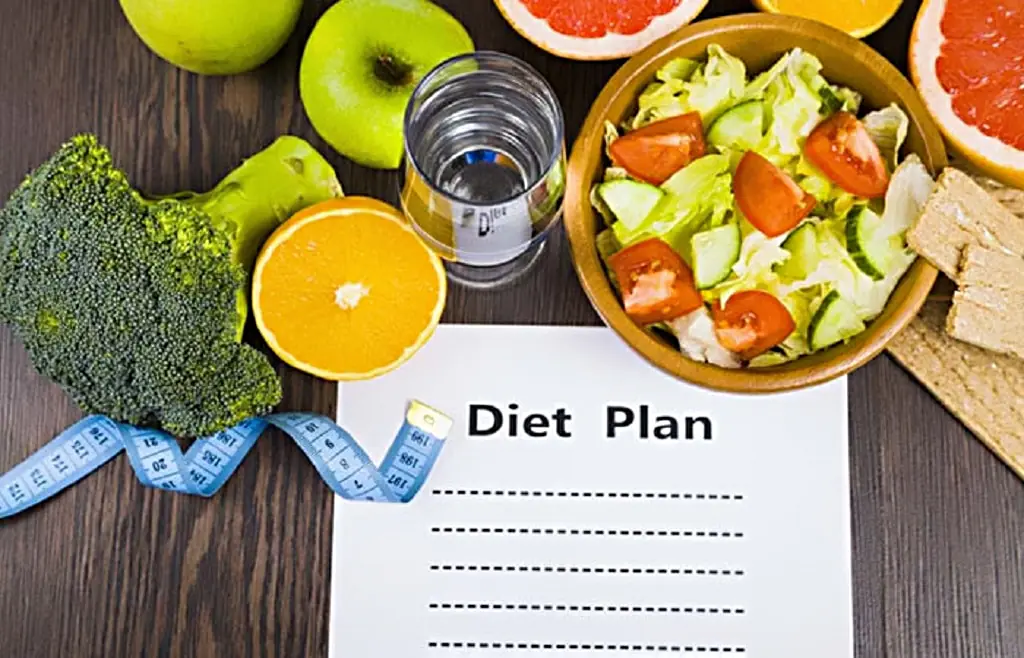
Core Principles of Effective Weight Loss Management
1️⃣ Maintain a Calorie Deficit
To lose weight, you must consume fewer calories than you burn.
-
Focus on balanced meals with appropriate portion sizes.
-
Avoid crash dieting; instead, aim for gradual, steady progress.
2️⃣ Prioritize Whole, Unprocessed Foods
Choose nutrient-dense foods that keep you full and energized:
-
Fresh fruits and vegetables
-
Whole grains (brown rice, oats, quinoa)
-
Lean proteins (fish, chicken, tofu, lentils)
-
Healthy fats (avocado, olive oil, nuts, seeds)
These foods nourish your body and help regulate metabolism naturally.
3️⃣ Limit Processed and Sugary Foods
Processed snacks, soft drinks, and sweets can sabotage your goals.
They’re high in calories but low in nutrients, leading to quick hunger and weight gain. Replace them with homemade, wholesome alternatives whenever possible.
4️⃣ Practice Portion Control
Even healthy food can lead to weight gain if eaten in excess.
Use smaller plates, measure servings, and listen to your body’s hunger signals to avoid overeating.
5️⃣ Stay Hydrated
Water supports digestion, flushes out toxins, and boosts metabolism.
Aim for at least 8 glasses a day — and remember, sometimes thirst can be mistaken for hunger.
6️⃣ Exercise Regularly
Combine diet with physical activity for best results.
Incorporate a mix of:
-
Cardio: walking, running, cycling, or swimming
-
Strength training: builds lean muscle and increases metabolism
-
Yoga or stretching: improves flexibility and reduces stress
Consistency is key — even short daily workouts make a big difference.
7️⃣ Eat Mindfully
Avoid eating while watching TV or scrolling your phone.
Pay attention to flavors, textures, and fullness cues — this helps prevent overeating and promotes better digestion.
8️⃣ Track Your Progress
Keep a simple journal or use an app to record your meals and workouts.
Seeing your progress builds motivation and helps you identify habits that work best for you.
9️⃣ Seek Support
Surround yourself with people who encourage your journey — friends, family, or online fitness groups. Sharing your goals helps you stay accountable and inspired.
Sample Meal Plan for Weight Loss Management
Here’s a simple, balanced plan to get started. Adjust portions and ingredients according to your personal needs and preferences.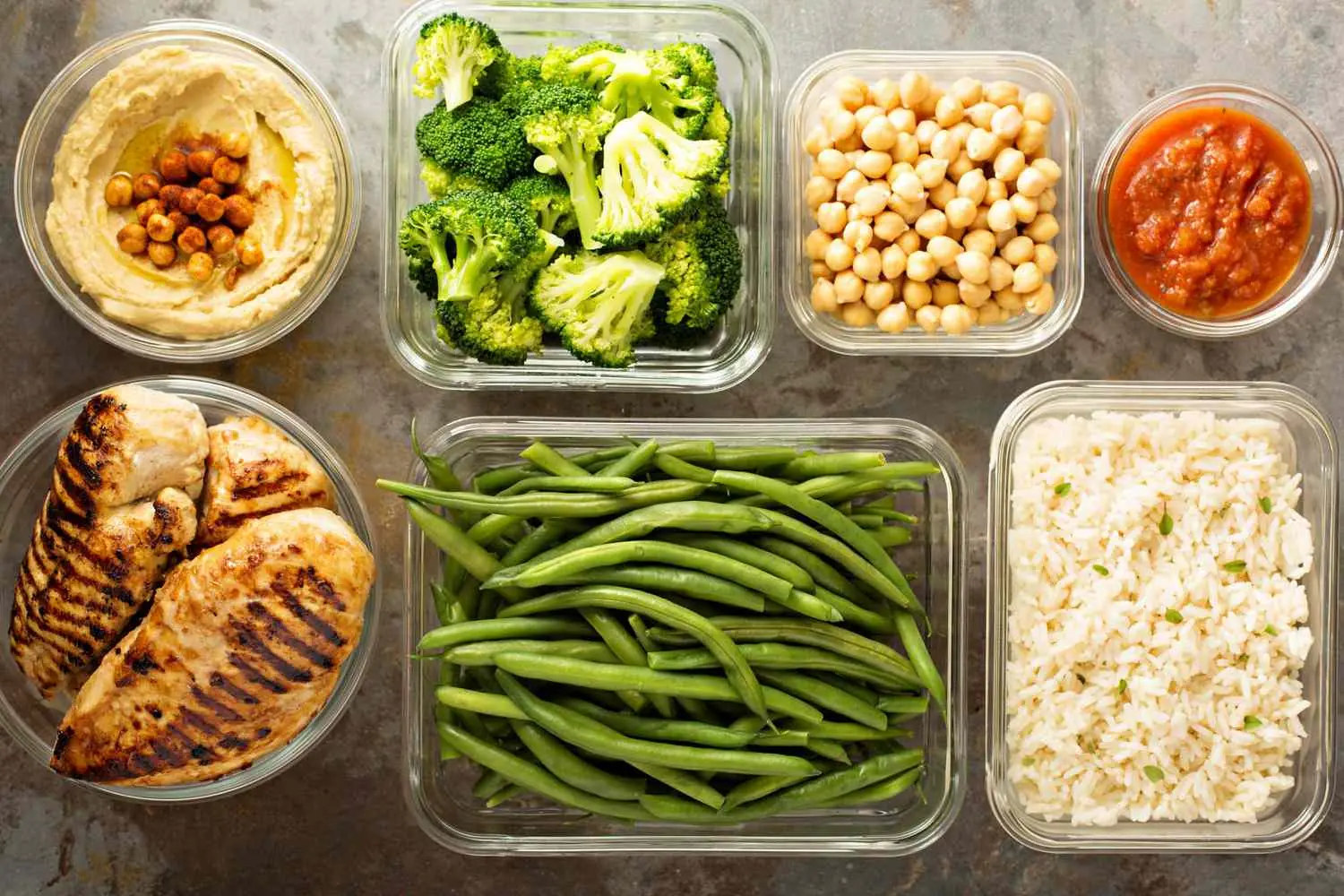
Morning Routine:
Start your day with a warm glass of water and a few deep breaths to awaken your metabolism.
Breakfast:
-
Oatmeal topped with nuts and fresh berries
-
Or: Sprouted grains or a boiled egg with fruit
Lunch:
-
One slice of whole-grain bread
-
Salad of cucumber, tomato, and beetroot
-
Optional: a small serving of grilled chicken or lentils
Dinner:
-
Baked salmon with steamed broccoli
-
Optional: a bowl of vegetable soup or quinoa salad
This plan balances fiber, lean protein, and healthy fats — helping you stay full longer while keeping calories in check.
Additional Tips for Lasting Success
-
Personalize your plan: Adapt your meals to your body type, preferences, and activity level.
-
Set realistic goals: Focus on losing 0.5–1 kg per week for sustainable results.
-
Add variety: Rotate foods to prevent boredom and nutrient deficiencies.
-
Manage stress: Chronic stress triggers cravings and hormonal imbalances. Try meditation, journaling, or deep breathing.
-
Prioritize sleep: Aim for 7–8 hours nightly to support metabolism and reduce late-night snacking.
Conclusion
Weight loss isn’t just about numbers on a scale — it’s about creating a healthier, happier version of yourself.
With consistency, self-discipline, and a positive mindset, you can build habits that last a lifetime.
Take small steps every day. Eat well, move often, rest deeply, and trust the process — because real transformation comes from progress, not perfection.