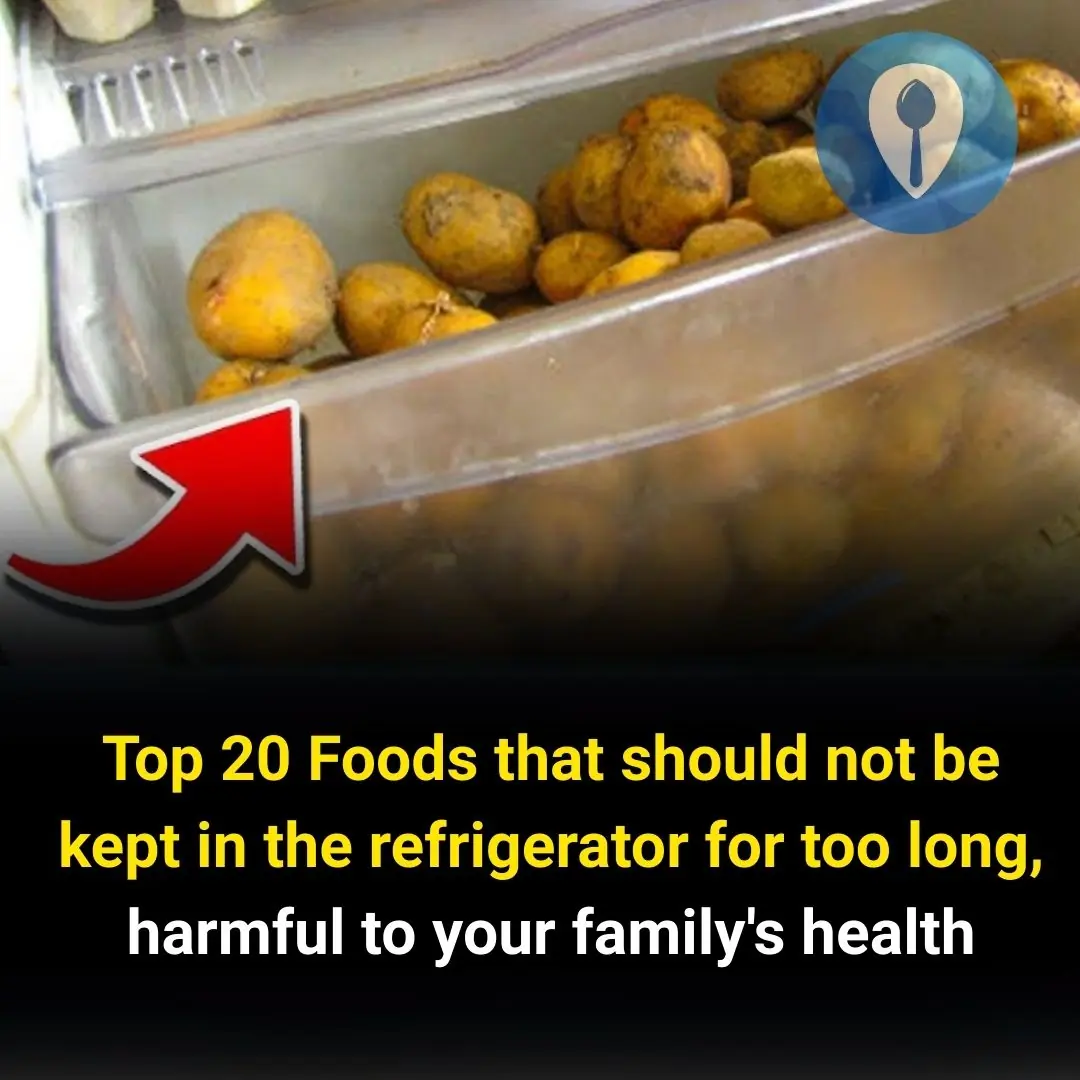
1. Potatoes
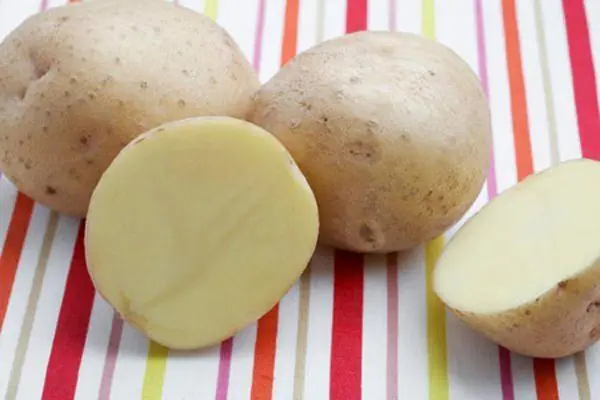
-
Cold temperatures convert starches into sugars, affecting taste and texture.
2. Tomatoes
-
Become mushy and lose flavor; their texture degrades in the cold.
3. Onions
-
Can become moldy, soft, and develop off smells in humid fridge environments.
4. Garlic
-
May sprout, become rubbery, and lose its aroma when refrigerated too long.
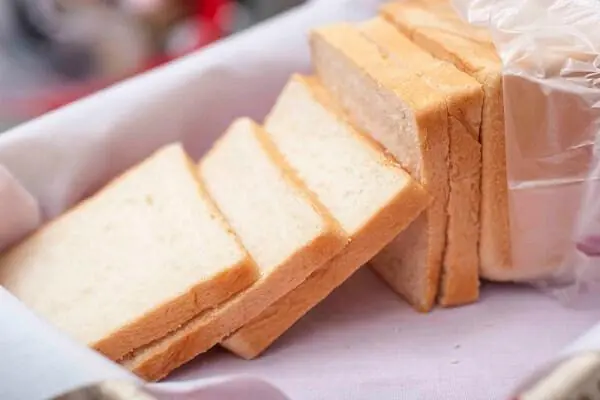
5. Bread
-
Tends to dry out or become moldy more quickly in the fridge.
6. Coffee (beans or ground)
-
Absorbs odors from the fridge and loses its natural aroma.
7. Honey
-
Refrigeration causes it to crystallize and alters its consistency.
8. Cucumbers
-
Prone to becoming watery, soft, and spoiling quickly in cold temperatures.
9. Avocados
-
Refrigeration slows ripening; once ripe, they may turn black and lose flavor.
10. Bananas
-
The skin darkens, and the flesh can become rubbery or overripe in the cold.
11. Watermelon (whole)
-
Refrigeration can reduce its antioxidant content (like lycopene).
12. Apples
-
May lose moisture and flavor after extended refrigeration.
13. Papayas
-
Can turn mushy and develop an off taste when kept too cold.
14. Pineapples
-
After cutting, they ferment more easily and develop sour flavors.
15. Citrus fruits (oranges, lemons, grapefruits)
-
Their skins can dry out or grow mold in the fridge if stored too long.
16. Chocolate

-
Refrigeration causes condensation and a whitish coating (sugar or fat bloom).
17. Cooking oils (olive oil, coconut oil)
-
Can solidify or become cloudy and lose flavor in the cold.
18. Fresh herbs (cilantro, basil, mint)
-
Wilt or rot quickly if not stored properly in the fridge.
19. Eggs (if already washed)
-
Washing removes the protective coating, increasing risk of bacterial contamination in the fridge.
20. Cooked foods (soups, stir-fries, leftovers)
-
Can spoil or harbor bacteria if stored for more than 3–4 days.