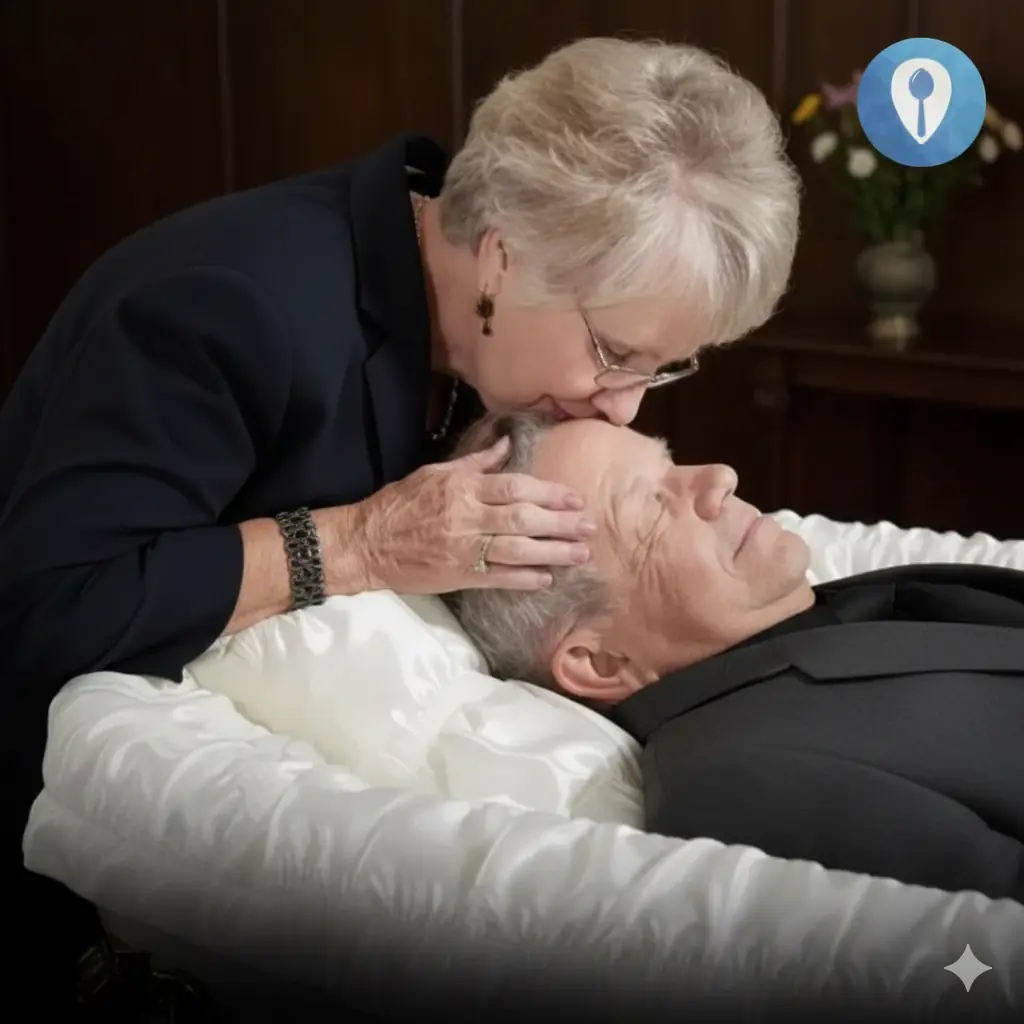
Why You Should Never Kiss a Deceased Person, According to Medical Experts
Losing a loved one is an incredibly emotional moment, and for many people, the instinct to kiss the forehead or face of the deceased feels like a natural way to say goodbye. While this gesture comes from love and deep affection, medical experts warn that it may not be safe. There are several scientific, hygienic, and health-related reasons why kissing a deceased person is not recommended — even during a peaceful, dignified farewell.
Below are the key reasons doctors give for avoiding direct contact with a dead body.
1. The Body Begins to Change Immediately After Death
When a person dies, their heart stops pumping, blood stops circulating, and the immune system can no longer fight off bacteria.
What happens next is natural but important to understand:
-
Bacteria inside the body begin multiplying quickly.
-
Cells start breaking down.
-
The body enters early stages of decomposition, even if it is not yet visible.
These changes make the skin, mouth, and facial area no longer sanitary for close contact, even if the person looks peaceful and well-preserved.
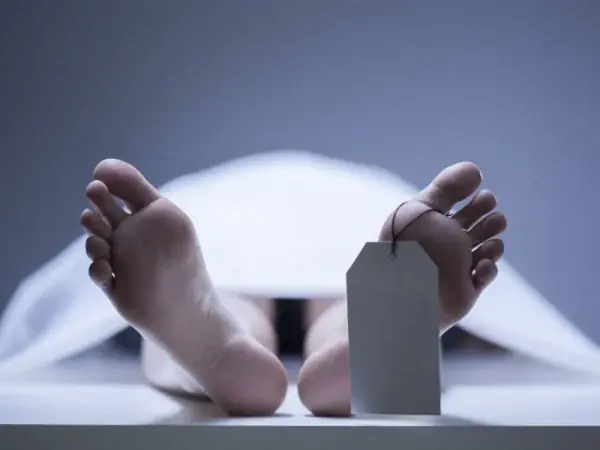
2. Increased Risk of Bacterial and Viral Exposure
Although most people do not contract serious infections from brief contact with a deceased individual, doctors explain that the risk is not zero.
Dead bodies can still harbor:
-
Bacteria such as E. coli, Staphylococcus, or Streptococcus
-
Viruses depending on the cause of death
-
Microorganisms that normally live harmlessly inside a living body but grow rapidly after death
Kissing the face, lips, or forehead creates an opportunity for germs to transfer to the living person’s mouth, eyes, or broken skin.
For people with weakened immune systems — the elderly, pregnant women, young children, or anyone with chronic illness — this risk is higher.
3. Exposure to Embalming Chemicals
If the body has been embalmed, the skin may contain traces of the chemicals used in the preservation process. These commonly include:
-
Formaldehyde
-
Methanol
-
Ethylene glycol
-
Other preservative agents
These chemicals are toxic and should not come into contact with the lips, nose, or eyes.
Even a gentle kiss can expose someone to small amounts of these substances, which can irritate the skin or cause allergic reactions.
4. Fluids and Natural Leakage
After death, the body can release fluids from the mouth, nose, and other areas.
This is completely normal, but it increases the risk of contact with:
-
bodily fluids
-
bacteria
-
viral particles
Because these fluids often accumulate near the face, kissing the deceased can unintentionally expose someone to harmful pathogens.
5. Emotional Considerations
Beyond medical concerns, mental-health experts also note that close physical contact with a deceased loved one can be emotionally overwhelming.
The sensation of touching cold, unresponsive skin can:
-
intensify grief
-
trigger trauma-like reactions
-
make the farewell more distressing rather than comforting
Many funeral homes gently advise families to express love in other ways — such as holding the hand, placing a flower, or whispering final words — instead of kissing.
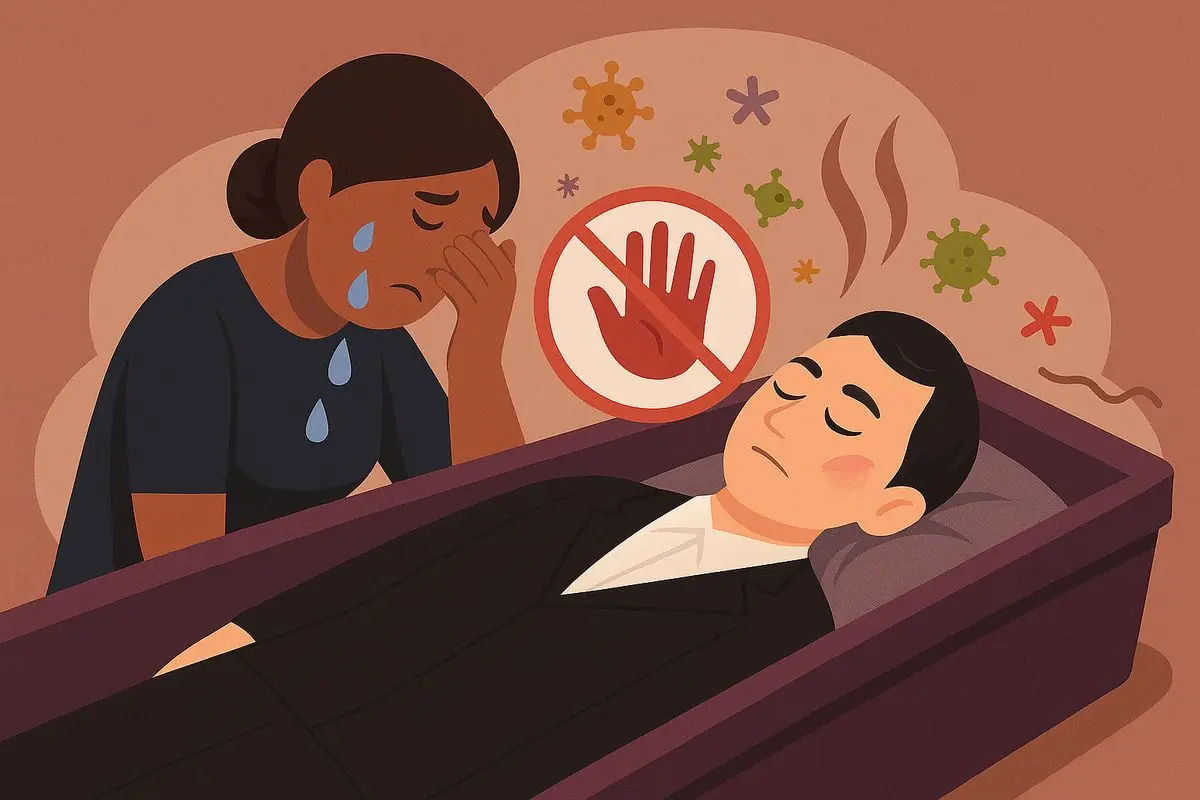
6. Safer Ways to Say Goodbye
You can still have a meaningful, loving farewell without putting your health at risk. Doctors and funeral professionals recommend:
-
Holding the person’s hand
-
Touching their shoulder or arm
-
Leaving a note, flower, or symbolic object
-
Whispering your final words
-
Spending quiet time beside them
These gestures carry the same emotional weight while avoiding unnecessary exposure.
Final Thoughts
Kissing a deceased person is an act of love, but medical experts emphasize that it’s safer to avoid it. Because of the natural changes that occur after death — from bacterial growth to embalming chemicals — direct contact with the face or mouth is not hygienic and may pose health risks.
Choosing safer ways to express your farewell does not diminish your love or the meaning of the moment. It simply protects you while honoring the person you care about.
If you’d like, I can turn this into a shorter caption, a video script, or a more dramatic version for social media.