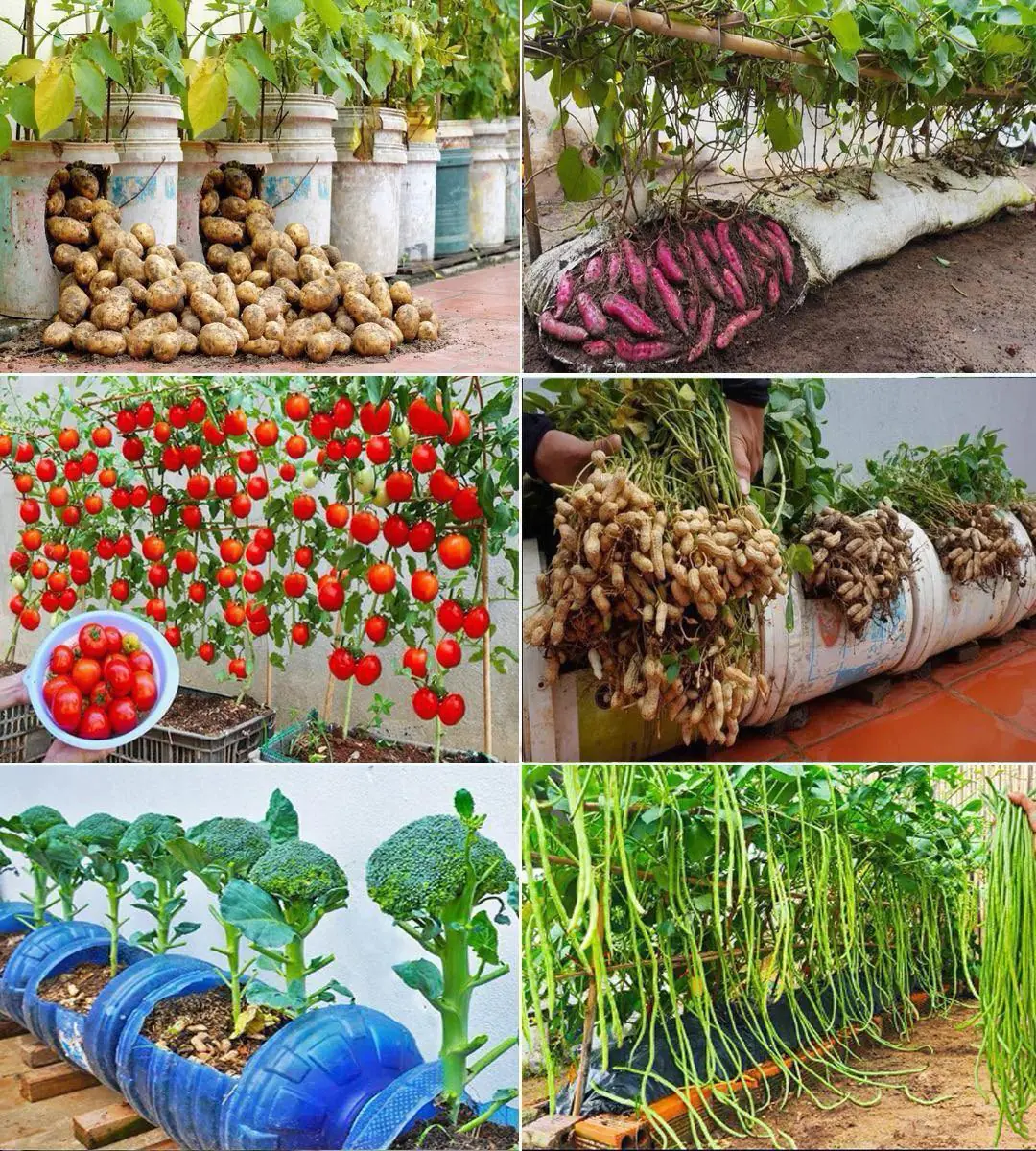
You don’t need a big backyard or a large plot of land to grow your own vegetables. In fact, with a few pots, containers, and proper care, you can have a thriving garden right on your balcony, patio, or even a windowsill. Many vegetables grow perfectly well in containers - providing you with fresh, organic produce all year round.
Here are 12 vegetables that grow exceptionally well in containers, along with tips on how to plant, care for, and harvest them successfully.
1. Tomatoes
Tomatoes are perhaps the most popular container vegetable. They love sunlight and warm temperatures, making them perfect for patios and balconies.
Tips:
-
Use a large pot (at least 18 inches deep).
-
Choose dwarf or cherry tomato varieties for limited space.
-
Water regularly and use stakes or cages for support.
-
Fertilize every two weeks for better yields.
2. Peppers (Bell or Chili)
Peppers thrive in warm, sunny locations and grow beautifully in pots.
Tips:
-
Plant in containers 12–14 inches deep.
-
Ensure good drainage and consistent watering.
-
Place the container in full sunlight (6–8 hours daily).
-
Pick peppers regularly to encourage more fruiting.
3. Lettuce
Lettuce grows fast and doesn’t need deep soil, making it perfect for small containers or window boxes.
Tips:
-
Use wide, shallow containers.
-
Keep soil moist but not soggy.
-
Harvest leaves regularly to encourage new growth.
-
Place in partial shade during hot weather.
4. Spinach
Spinach grows quickly and thrives in cool conditions - great for early spring or fall planting.
Tips:
-
Choose containers 8–10 inches deep.
-
Keep soil consistently moist.
-
Harvest outer leaves first to allow continuous regrowth.
5. Radishes
Radishes are one of the fastest-growing vegetables, often ready for harvest in just 3–4 weeks.
Tips:
-
Use deep containers (6–8 inches).
-
Space seeds about 1 inch apart.
-
Keep in cool, sunny spots and avoid hot weather.
6. Carrots
Carrots can be easily grown in deep pots if the soil is light and loose.
Tips:
-
Use containers at least 12 inches deep.
-
Choose shorter carrot varieties like ‘Little Finger’ or ‘Paris Market’.
-
Keep soil moist and well-drained.
-
Avoid clumping seeds to allow space for growth.
7. Green Onions and Chives
These aromatic greens take up little space and grow quickly in small pots.
Tips:
-
Use shallow pots (6 inches deep).
-
Water regularly but avoid soggy soil.
-
Trim leaves often to promote continuous growth.
8. Cucumbers
Cucumbers do surprisingly well in containers, especially bush or dwarf varieties.
Tips:
-
Use large containers (at least 16 inches deep).
-
Provide a trellis or stake for climbing.
-
Keep soil moist and place in full sunlight.
-
Harvest regularly to promote new fruiting.
9. Beans
Both bush beans and pole beans thrive in containers with enough sunlight and support.
Tips:
-
Use pots 12–18 inches deep.
-
For pole beans, add a trellis or bamboo stakes.
-
Keep soil evenly moist but not waterlogged.
10. Kale
Kale is hardy, nutrient-dense, and grows well in cooler weather.
Tips:
-
Choose 12-inch-deep containers.
-
Ensure good sunlight (at least 6 hours a day).
-
Harvest the outer leaves to allow inner ones to keep growing.
-
Kale can survive light frost, making it ideal for fall gardens.
11. Eggplants
Eggplants love warmth and sunshine, and they adapt well to containers if they get enough nutrients.
Tips:
-
Choose large containers (14–16 inches deep).
-
Water frequently, but avoid soaking.
-
Fertilize every two weeks.
-
Place in a sunny spot for best growth.
12. Beets
Beets give you both edible roots and nutritious greens — perfect for container gardening.
Tips:
-
Use deep pots (at least 10 inches).
-
Thin seedlings early to allow enough space for root formation.
-
Water evenly to keep the roots tender.
-
Harvest when beets reach about 2 inches in diameter.
General Tips for Growing Vegetables in Containers
1. Choose the Right Soil:
Always use high-quality potting mix instead of garden soil. It’s lighter, drains better, and is nutrient-rich.
2. Ensure Good Drainage:
Containers must have drainage holes to prevent root rot.
3. Sunlight Matters:
Most vegetables need at least 6–8 hours of sunlight daily. Move your pots if needed to catch more light.
4. Regular Watering:
Container plants dry out faster than ground soil. Check daily and water when the top inch of soil feels dry.
5. Fertilize Wisely:
Since nutrients leach out during watering, use a balanced fertilizer every 2–3 weeks to support steady growth.
Conclusion
You don’t need acres of land to grow your own food - just a few pots, good soil, and a bit of care. Container gardening is a fantastic way to enjoy fresh, organic vegetables even if you live in a small apartment or urban setting.
By choosing the right plants - like tomatoes, peppers, lettuce, or carrots - and giving them proper attention, you can have a miniature garden that thrives year-round, bringing both health and happiness to your home.
So, don’t wait - grab a few pots, some seeds, and start growing your very own container vegetable garden today!