The Best Part of Pork: Once Overlooked, Now You Have to Go to the Market Early to Get It!
Food lovers can’t get enough of this special cut of pork.
When people talk about the tastiest parts of a pig, most will think of belly, spare ribs, or shoulder meat. However, there’s one particular cut that used to be ignored but has now become a favorite among food enthusiasts — the meat along the lower rib bones, known as “diem ribs” (or pork skirt ribs).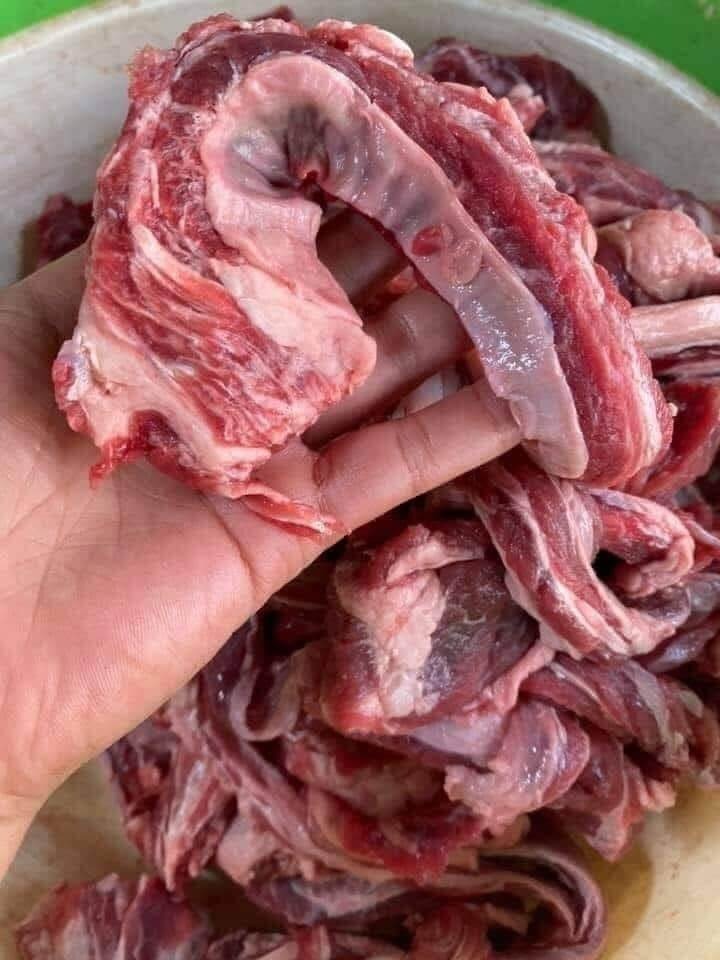
Diem Ribs: The Hidden Gem of Pork
The diem rib section lies along the edge of the belly, near the baby back ribs. Despite being called “ribs,” this part actually contains very little hard bone — it’s mostly made up of thin cartilage, crunchy tendons, and tender lean meat. This unique combination gives it a flavor and texture that few other cuts can match.
Since each pig only yields a small strip of diem ribs, the supply on the market is quite limited. That’s why home cooks often have to go to the market early in the morning if they want to buy this prized cut.
What makes diem ribs special is their perfect texture: soft but slightly chewy, with the pleasant crunch of cartilage and tendons, all while retaining a naturally rich, savory taste. It’s not as dry as lean meat nor as greasy as fat. When grilled, braised, or stir-fried, the gelatin released from the tendons and cartilage creates a glossy, flavorful sauce that enhances any dish.
For these reasons, diem ribs frequently appear in grilled dishes, rice plates, or family meals. Popular recipes include grilled with salt and chili, stir-fried with lemongrass and chili, braised with pepper, cooked in sour soup, or simmered in broth.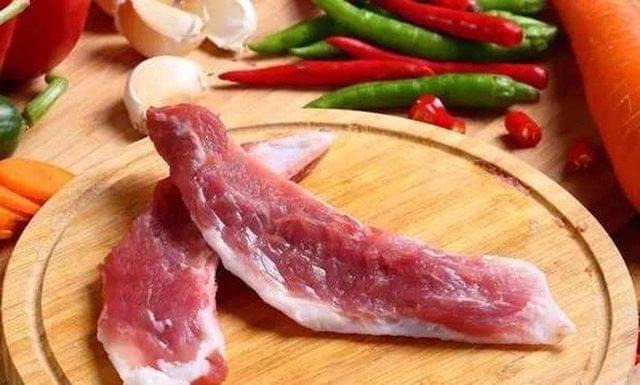
A Cut Worth Its Price
Although it’s referred to as “ribs,” this cut often costs more than other pork bones — typically around 120,000 to 150,000 VND per kilogram (about $5–6 USD/kg). Depending on freshness and location, prices may vary slightly, but it’s generally considered a premium cut.
Nutritional Value of Diem Ribs
Beyond its delicious taste, diem ribs also offer notable nutritional benefits. The cartilage and tendons provide natural calcium, which supports bone strength. Growing children, adults maintaining bone density, and those at risk of osteoporosis can all benefit from this natural calcium source.
Additionally, the collagen found in the cartilage is another reason why this part is so highly valued. It also contains phosphorus and other essential micronutrients that help support the nervous system, boost immunity, and improve energy metabolism.
A Few Health Tips
Although diem ribs are nutritious, moderation is key. Because of their high collagen and cartilage content, they can be harder to digest if eaten too frequently. For older adults, people with weak teeth, or those with digestive issues, it’s best to cook this cut until very tender — such as in soups or stews — to make it easier to digest.
Finally, always balance your meal with plenty of vegetables and fruits to ensure proper nutrition and avoid feeling heavy or bloated.
In short, diem ribs may have been overlooked in the past, but once you’ve tried their rich flavor and unique texture, you’ll understand why savvy cooks are willing to wake up early just to bring home this hidden treasure of the pig.