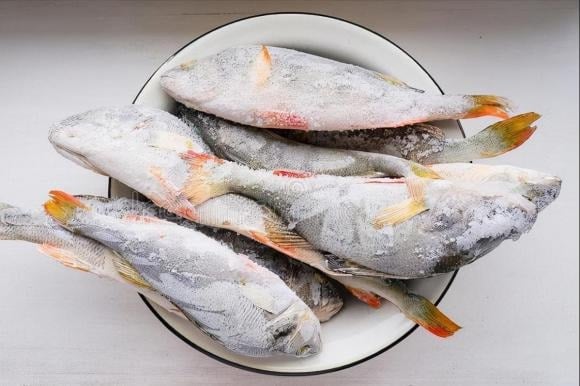
Fish is one of the healthiest protein sources, but improper defrosting can ruin texture, reduce flavor, and even compromise food safety. Whether preparing a weekday meal or cooking for guests, knowing the right thawing techniques ensures your fish stays fresh, tender, and safe to eat.
Below are three effective methods widely recommended by culinary experts and food safety authorities. Each method is designed to defrost fish quickly without sacrificing quality.
1. Defrosting Fish in Cold Water (Fast & Safe)
One of the quickest and safest ways to thaw fish is by using cold water. This method helps maintain the fish’s texture while preventing bacterial growth.
How to Do It
1. Keep the fish in its original sealed packaging or place it in a leak-proof zip bag.
2. Fill a large bowl with cold water.
3. Submerge the package completely.
4. Change the water every 15–20 minutes to keep it cool.
5. Most fillets will thaw in 20–30 minutes, while larger cuts may take up to an hour.
Why It Works
Cold water absorbs heat from the frozen fish more evenly than air, allowing it to thaw faster while keeping the temperature below the bacterial danger zone (5°C–60°C / 41°F–140°F).
Best For
-
Delicate fish fillets like tilapia, snapper, flounder
-
Medium-thickness cuts intended for grilling or frying
Tips
-
Never use warm or hot water - it encourages bacterial growth and ruins texture.
-
Cook immediately after thawing.

2. Defrosting in the Refrigerator (Safest & Most Reliable)
Although this method is slower, it is the safest and most recommended. Thawing in the refrigerator keeps fish at a constant, controlled temperature.
How to Do It
1. Remove fish from the freezer but keep it wrapped.
2. Place it on a plate or in a container to catch any drips.
3. Leave it in the lower section of your refrigerator.
4. Small fillets thaw in 6–8 hours, while whole fish or thick cuts may need overnight.
Why It Works
The refrigerator keeps the fish below 4°C (40°F), preventing harmful bacteria from multiplying. It also allows the ice crystals to melt slowly, preserving moisture and texture.
Best For
-
Expensive or delicate fish (salmon, cod, tuna)
-
Sushi-grade fish that requires the best texture
-
Meal prep for the next day
Tips
-
Do not leave fish out on the counter.
-
Refrigerated-thawed fish can safely remain refrigerated for up to 24 hours before cooking.
3. Defrosting Fish with the Microwave (Fast but Requires Care)
The microwave is the quickest method, but you must use it cautiously to avoid partially cooking the fish.
How to Do It
1. Remove all packaging and place the fish on a microwave-safe plate.
2. Use the Defrost setting or set the power to 30%.
3. Heat in short intervals (20–30 seconds), flipping the fish as needed.
4. Stop as soon as the fish becomes pliable but still slightly icy.
Why It Works
Microwave energy warms the outer layers first, quickly softening the frozen surface while the core continues to thaw.
Best For
-
When you need fish ready in minutes
-
Thick fillets that won’t cook too easily on the edges
Tips
-
Watch carefully to avoid overcooking the outer layer.
-
Cook the fish immediately after microwave thawing - do not refreeze.

Bonus Tips for Fresher, Safer Fish
Avoid These Common Mistakes
-
Never thaw fish in warm water
-
Never leave fish at room temperature
-
Never refreeze thawed fish unless cooked first
Signs Your Fish Has Thawed Properly
-
Flesh is soft and flexible
-
No ice crystals remain
-
No sour or ammonia-like smell
Improve Texture After Thawing
Some chefs pat fish dry and let it rest for 5 minutes before seasoning. This helps the fish brown better and improves flavor.
Conclusion
Defrosting fish correctly is essential for both safety and taste. Among the three methods:
-
Cold water thawing is fastest and safe.
-
Refrigerator thawing is safest and best for quality.
-
Microwave thawing is quickest but requires close attention.
Each method has its ideal use, and choosing the right one helps you preserve the fish’s natural flavor and texture while keeping your meal healthy and safe.
With these techniques, you’ll be able to prepare delicious fish dishes any day of the week - without stress and without compromising quality.