- Citronella Grass (Cymbopogon nardus)
Citronella is one of the most well-known mosquito repellents, and for good reason. This tall, lemon-scented grass is a key ingredient in many commercial insect repellents.
The natural oils in citronella emit a fresh scent that masks the smell of human skin, deterring mosquitoes.
Growing Tips: Citronella thrives best in bright, indirect sunlight and well-draining soil. Place it in a sunny spot on your balcony or near windows.
Usage: To increase its mosquito-repelling effects, crush a few leaves to release its oils or place potted citronella around entrances to deter pests.
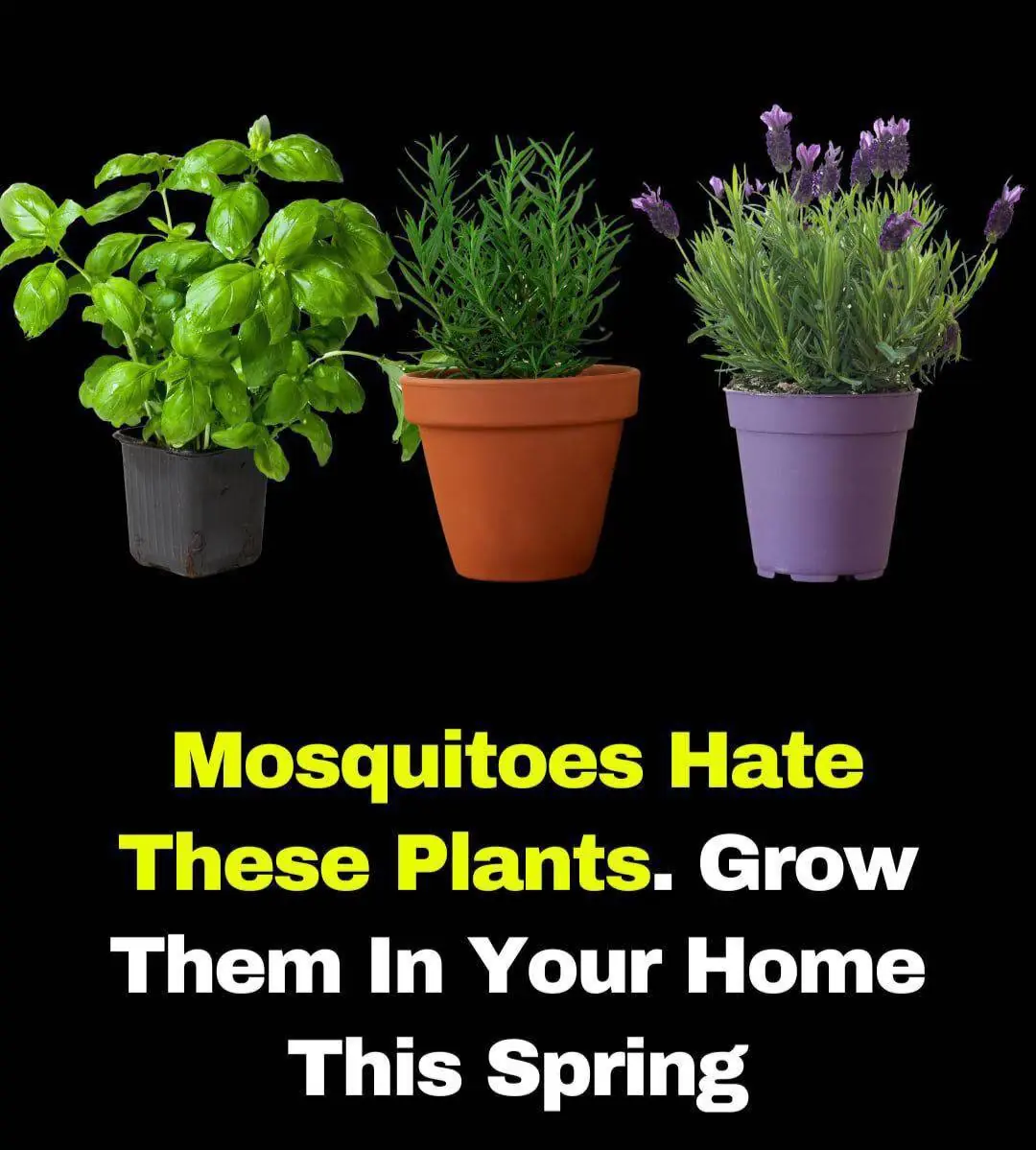
- Lavender (Lavandula)
Lavender’s calming scent is pleasant to humans but repels mosquitoes and other insects. Its essential oils contain linalool, which naturally keeps mosquitoes away.
Lavender is also a beautiful addition to any home with its purple flowers and fresh aroma.
Growing Tips: Lavender requires a sunny spot and well-draining soil. It can be grown indoors near a south-facing window or outdoors on a sunny patio.
Usage: Place lavender pots in your bedroom, living room, or near windows. You can also crush its flowers to release oils or dry the blooms for homemade sachets.
Basil is not only a popular culinary herb but also a powerful mosquito repellent. Its strong aroma, especially from varieties like lemon basil and cinnamon basil, helps repel mosquitoes naturally.
Plus, it’s a great addition to your kitchen for fresh, homegrown herbs.
Growing Tips: Basil grows best in sunny areas with moist, well-drained soil. Place it in a sunny kitchen window for easy access.
Usage: Keep potted basil near entrances or crush a few leaves and rub them on your skin for a quick natural repellent.
- Mint (Mentha)
Mint has a refreshing scent that’s popular in many households, but mosquitoes find it irritating. Mint contains menthol, which not only keeps mosquitoes away but also adds a delightful fragrance to your indoor space
Growing Tips: Mint grows quickly and requires partial sunlight. Keep it in a pot to prevent it from overtaking other plants, as it can spread aggressively.
Usage: Place mint pots around windows and doorways, and crush a few leaves to release their natural oils for an extra mosquito-repelling effect.
- Rosemary (Rosmarinus officinalis)
Rosemary is another herb that doubles as a mosquito repellent. The scent of its pine-like leaves is effective in repelling mosquitoes and other flying insects.
It’s also a great culinary herb for cooking, making it a practical and fragrant addition to your home.
Growing Tips: Rosemary prefers bright sunlight and well-drained soil. Place it near a sunny window or outdoors on a patio.
Usage: To boost its mosquito-repelling effects, crush some rosemary leaves or burn a few sprigs for a natural insect-repelling smoke.
- Marigold (Tagetes)
Marigolds are vibrant flowers with a pungent smell that mosquitoes and other pests dislike.
They contain pyrethrum, a compound used in many insect repellents, making them effective for keeping mosquitoes away.
Growing Tips: Marigolds prefer full sun and well-drained soil. They can be grown in pots on windowsills, balconies, or near doorways to act as a natural barrier.
Usage: Place marigold pots near windows, doors, and common gathering areas to create a protective perimeter against mosquitoes.
- Lemon Balm (Melissa officinalis)
Lemon balm is a fragrant herb related to mint, and its strong lemony scent is great for repelling mosquitoes.
This easy-to-grow herb is also known for its calming effects, making it a great addition to bedrooms or living areas.
Growing Tips: Lemon balm grows well in indirect sunlight and moist soil. Keep it in a pot to control its growth, as it can spread quickly.
Usage: Crush lemon balm leaves and rub them on your skin for a natural repellent or place pots near doorways to deter mosquitoes from entering.
- Catnip (Nepeta cataria)
Catnip is known for its attraction to cats, but it’s a natural mosquito repellent as well. It contains nepetalactone, a compound that’s highly effective at deterring mosquitoes and other insects.
Growing Tips: Catnip grows well in full sun and well-draining soil. You can keep it in a pot indoors near a sunny window or outdoors on a patio.
Usage: Place catnip near doors or in common areas. You can also crush leaves and rub them on your skin for additional protection.
- Scented Geraniums (Pelargonium)
Scented geraniums, especially those with a lemon or citrus scent, are effective in repelling mosquitoes.
They contain citronellol, similar to citronella, which keeps mosquitoes at bay.
Growing Tips: These plants thrive in full sunlight and well-drained soil. They do well indoors near a sunny window or outside on a patio.
Usage: Place scented geraniums around doors and windows or on balconies. Crush a few leaves to release the scent for additional mosquito control.
- Eucalyptus (Eucalyptus spp.)
Eucalyptus plants produce a fresh scent that’s effective in repelling mosquitoes, thanks to its high citronellal content.
This scent masks other odors that attract mosquitoes, keeping them away from your space.
Growing Tips: Eucalyptus requires a bright, sunny location and well-draining soil. It can be grown in a large pot indoors or outdoors.
Usage: Place eucalyptus plants around your living areas, or crush leaves to release oils that repel mosquitoes.
Tips for Maximizing Mosquito-Repelling Plants Indoors
Strategic Placement: Place these plants near windows, doorways, and other entry points to act as a barrier against mosquitoes.
Crush Leaves for Instant Effect: Crushing leaves can release essential oils, boosting each plant’s effectiveness at repelling mosquitoes.
Rotate Plants Outdoors: To keep your indoor plants healthy, rotate them outside for a few hours each week if possible.
Use Multiple Plants: Combining a variety of mosquito-repelling plants increases effectiveness and adds visual appeal to your home.
Mosquitoes can be a persistent problem, but growing these natural mosquito-repelling plants at home can make a big difference.