
Clogged Pipes: Simple Tips to Fix at Home Without Calling a Plumber
A clogged drain is one of those household problems that always shows up at the worst possible moment. Water drains slowly, strange smells creep up from the sink, and suddenly a simple task turns into a mess. The good news? Most clogged pipes can be fixed at home, quickly and safely, without expensive tools or professional help.
With the right approach, you can clear blockages, prevent future clogs, and keep your plumbing running smoothly.
Why Pipes Get Clogged in the First Place
Understanding the cause makes the fix much easier. Most household clogs happen because of a gradual buildup of everyday materials, including:
-
Grease and oil from cooking
-
Hair from showers and bathroom sinks
-
Soap residue that hardens over time
-
Food scraps washed down the kitchen sink
-
Mineral deposits from hard water
Over time, these materials stick to the inside of pipes, narrowing the passage until water can no longer flow freely.
Method 1: Boiling Water (The Easiest Fix)
Sometimes, the simplest solution works best.
Best for: Grease and soap buildup
How to do it:
-
Boil a full kettle or pot of water
-
Slowly pour it down the drain in stages
-
Wait a few minutes and repeat if needed
Hot water helps melt grease and loosen residue, allowing it to flush through the pipe. This method is especially effective for kitchen sinks.
Method 2: Baking Soda and Vinegar (Natural Power Combo)
This classic combination creates a chemical reaction that breaks down debris without harsh cleaners.
How it works:
The fizzing action loosens gunk stuck to pipe walls.
Steps:
-
Pour ½ cup baking soda into the drain
-
Add ½ cup white vinegar
-
Cover the drain and wait 15–30 minutes
-
Flush with hot water
This method is safe, eco-friendly, and effective for mild to moderate clogs.
Method 3: Plunger (Old School but Powerful)
A plunger isn’t just for toilets — it works great on sinks too.
Tips for best results:
-
Make sure there’s enough water to cover the rubber cup
-
Seal the overflow hole with a cloth
-
Use short, strong plunges
-
Repeat until water drains freely
Plungers work by creating pressure that dislodges blockages, not by pushing them deeper.
Method 4: Remove and Clean the Trap
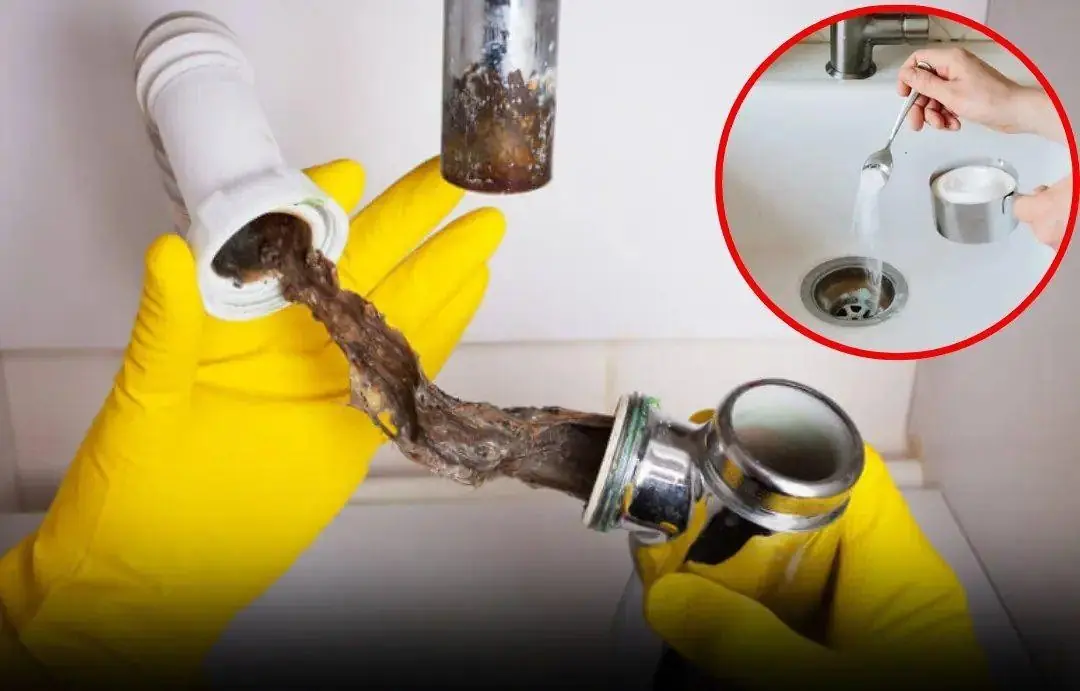
If the clog won’t budge, it may be sitting in the P-trap (the curved pipe under the sink).
What to do:
-
Place a bucket underneath
-
Unscrew the trap carefully
-
Remove trapped debris
-
Rinse thoroughly and reattach
This method is especially effective for hair, food scraps, and thick sludge.