
Dog Sniffing Explained: What Your Pet Is Trying to Tell You
What Dogs Discover About You in Just One Sniff
Facts 17/06/2026 16:53

If you’ve ever worn both men’s and women’s shirts, you may have noticed something curious: the buttons are on opposite sides. On men’s shirts, the buttons are typically sewn on the right side, while on women’s shirts, they appear on the left. This design difference has puzzled people for generations and sparked countless debates.
So why does this tradition exist? The answer lies in a mix of history, social class, fashion norms, and practicality, rather than modern functionality.
Men’s shirts: Buttons on the right side
Women’s shirts: Buttons on the left side
This convention has been followed in Western fashion for centuries, even though it serves little practical purpose today.
The most widely accepted explanation dates back to the 17th and 18th centuries, when buttons were expensive and clothing styles reflected social status.
Wealthy men typically dressed themselves
Wealthy women, especially those in upper-class households, were often dressed by servants
Because most people are right-handed, it was easier for servants standing in front of women to button garments that fastened from the left side (from the wearer’s perspective). This made dressing faster and more efficient.
Men, on the other hand, dressed themselves, so having buttons on the right side made it easier for them to fasten their clothing independently.
Men’s fashion has strong roots in military clothing.
Soldiers often needed quick access to weapons
Right-handed men drew swords or firearms with their right hand
Buttons on the right side prevented fabric overlap from interfering with weapon movement
This reinforced the standard button placement in men’s garments.
Another historical theory links women’s button placement to horseback riding.
Upper-class women often rode horses side-saddle
Clothing overlapped in a way that reduced wind exposure
Left-side buttoning helped prevent fabric from catching the wind while riding
Though this explanation is less documented, it likely contributed to the tradition.
Once these conventions were established, they became industry standards. Tailors, dressmakers, and later clothing manufacturers followed the same patterns generation after generation.
Even as:
Servants disappeared
Buttons became cheap and mass-produced
Women began dressing themselves
The button placement remained unchanged - simply because it had always been done that way.
In modern life, button placement has no real functional advantage.
Most people can button shirts regardless of side
Many women wear men’s shirts without issue
Some designers intentionally blur or reverse the tradition
Yet major clothing brands continue the practice because:
Consumers expect it
It signals traditional gendered styling
Deviating from it can confuse buyers
Not all clothing follows this convention.
Unisex and gender-neutral clothing often places buttons on either side
Some high-fashion brands ignore the rule entirely
Children’s clothing may vary or be standardized
The rule persists mainly in traditional Western fashion.
While the difference in button placement may seem trivial, it reflects deeper historical truths:
Gender roles in earlier societies
Class divisions and labor structures
How fashion preserves social history long after its original purpose fades
What began as a practical choice has become a quiet reminder of the past.
Buttons on men’s and women’s shirts sit on opposite sides not because of biology or modern necessity, but because of centuries-old social customs. Though the original reasons no longer apply, fashion tends to hold onto traditions long after their usefulness has passed.
So the next time you struggle with a shirt that feels “backwards,” remember you’re not confused. You’re just experiencing a design choice shaped by history.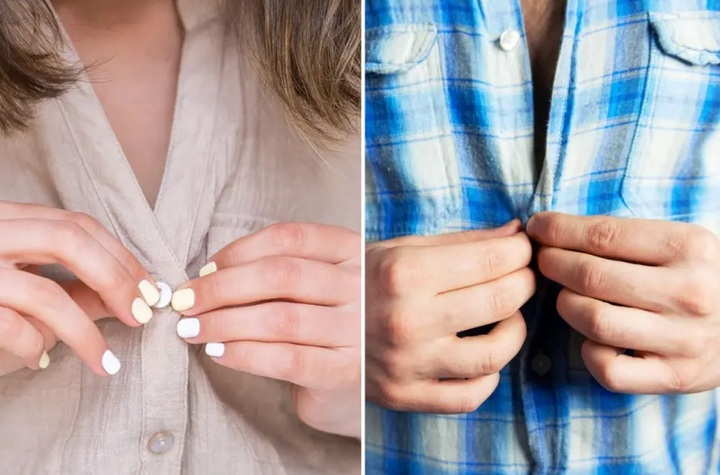
What Dogs Discover About You in Just One Sniff

Persistent headaches may signal dangerous infections you must not ignore

General Understanding of Wrist Ganglion Cysts

Experts Reveal the Symptoms of an Aneurysm That Require Immediate Attention

Experts Reveal Little-Known Facts

Why Is There Always a Strip of Fabric at the Foot of a Hotel Bed? Here's the Answer

A 54-Year-Old Man Suddenly Suffers a Stroke With Critically High Blood Pressure — Doctors Urgently Warn: “Stop Drinking That Immediately!”


According to the American Can.cer Society, the average adult in the United States has about a forty percent chance of developing cancer during their lifetime
Frequent early waking may signal stress, sleep issues, or habits.

People Who Constantly Pretend to Be Virtuous Often Share These 4 Behavioral Traits
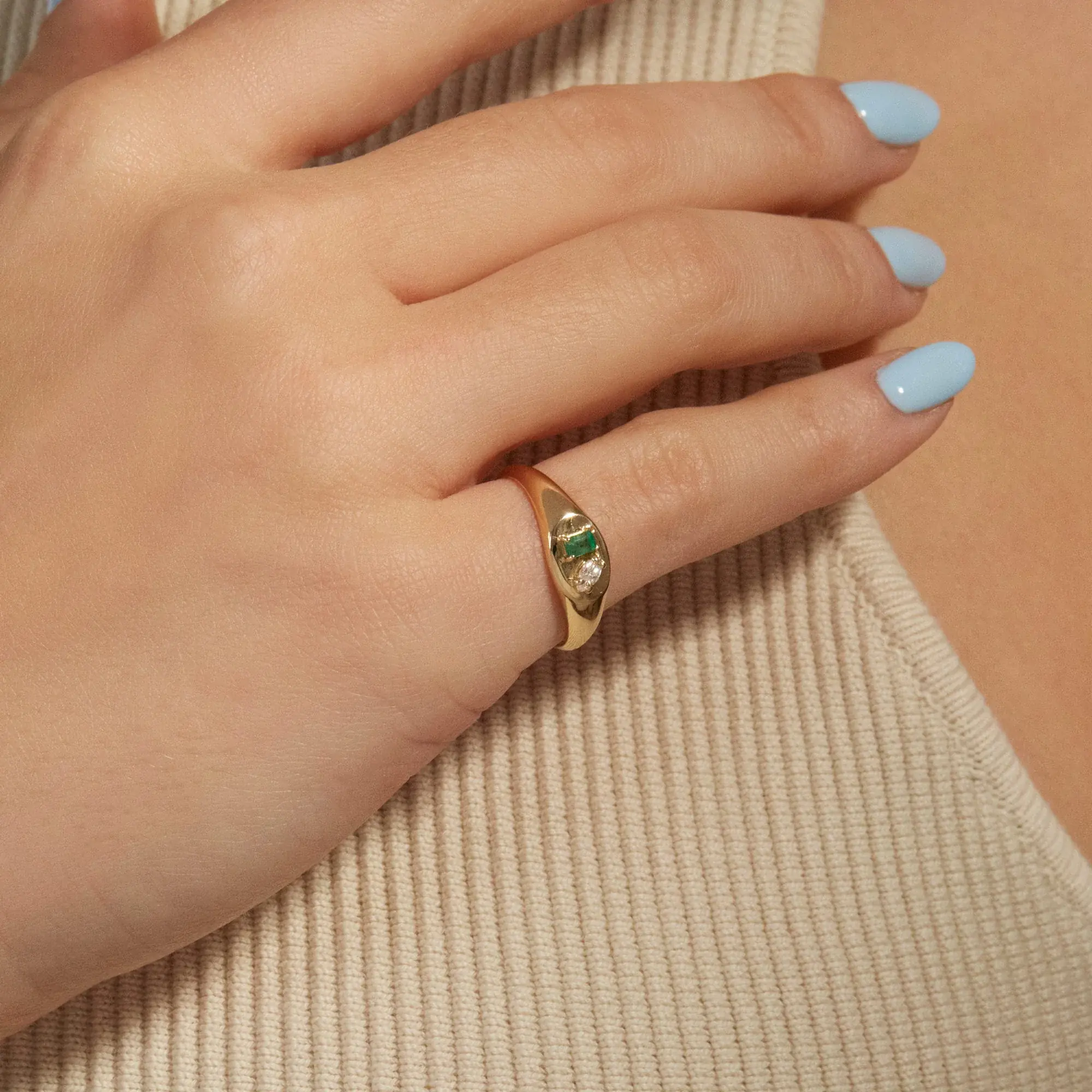
This Jewelry Trend Is About More Than Fashion

Your body shifts into repair mode during sleep.


A woman who suffered from intense itching at night was shocked to discover that the symptom was linked to a serious underlying illness. According to reports, what initially seemed like a simple skin problem eventually led doctors to diagnose an advanced f

The Real Reason Your Cat Chooses Your Bed Every Night

Daily coffee can offer benefits, but moderation remains essential.
What Dogs Discover About You in Just One Sniff

Rich in Iron, Fiber, and Antioxidants—Why Isn’t Everyone Eating This?

These Tiny Red Dots Could Be Telling You Something Important

⚠️ Not Every Symptom Means Cancer, But These 10 Changes May Warrant a Checkup
👀 A Habit You Do Every Day Could Be Behind This Unexpected Lump
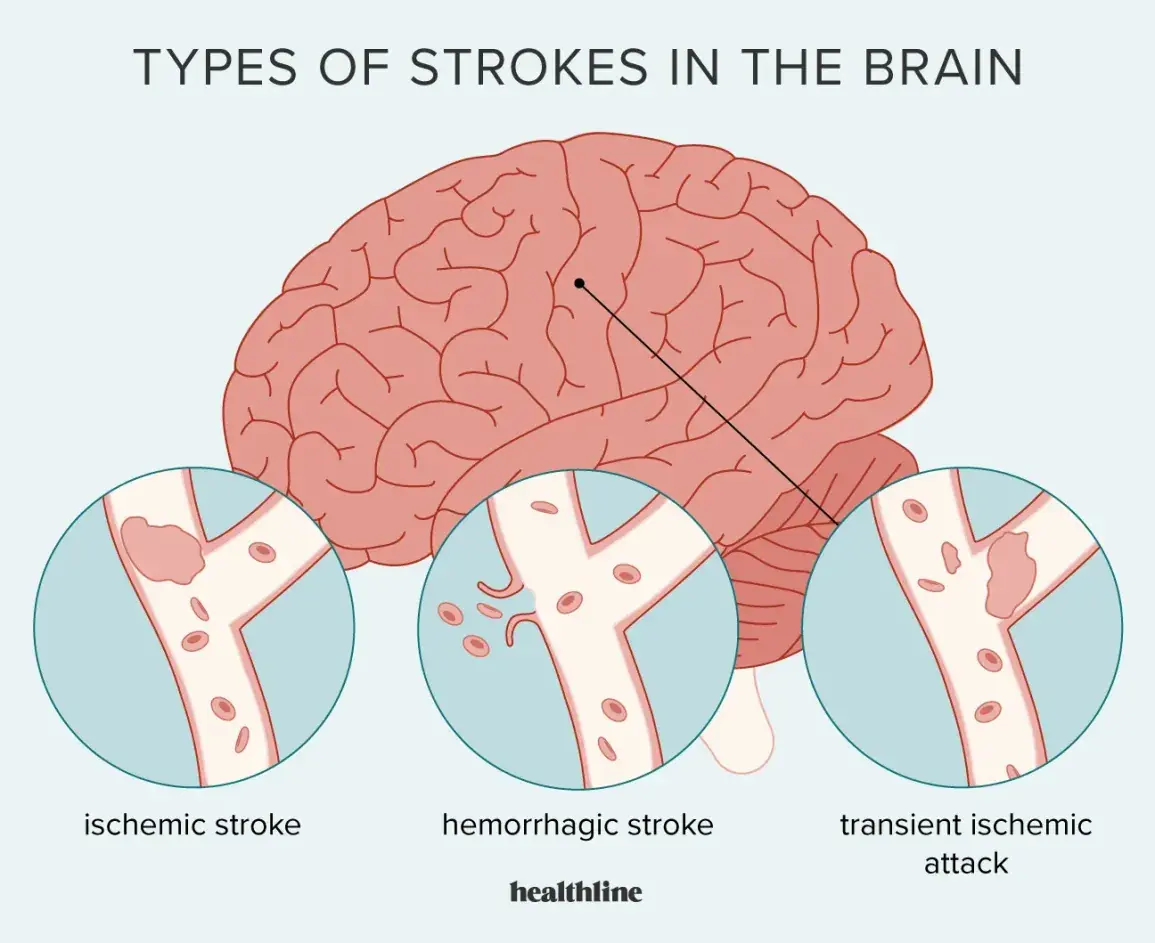
Most People Can't Name More Than 3 Stroke Signs — Can You Spot All 10?
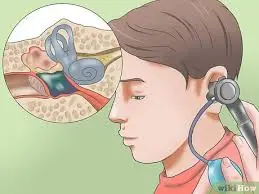
Ringing in the Ear Sometimes Comes Before Other Symptoms Appear

🍠 Eating Sweet Potatoes More Often Could Change More Than You Think 👀
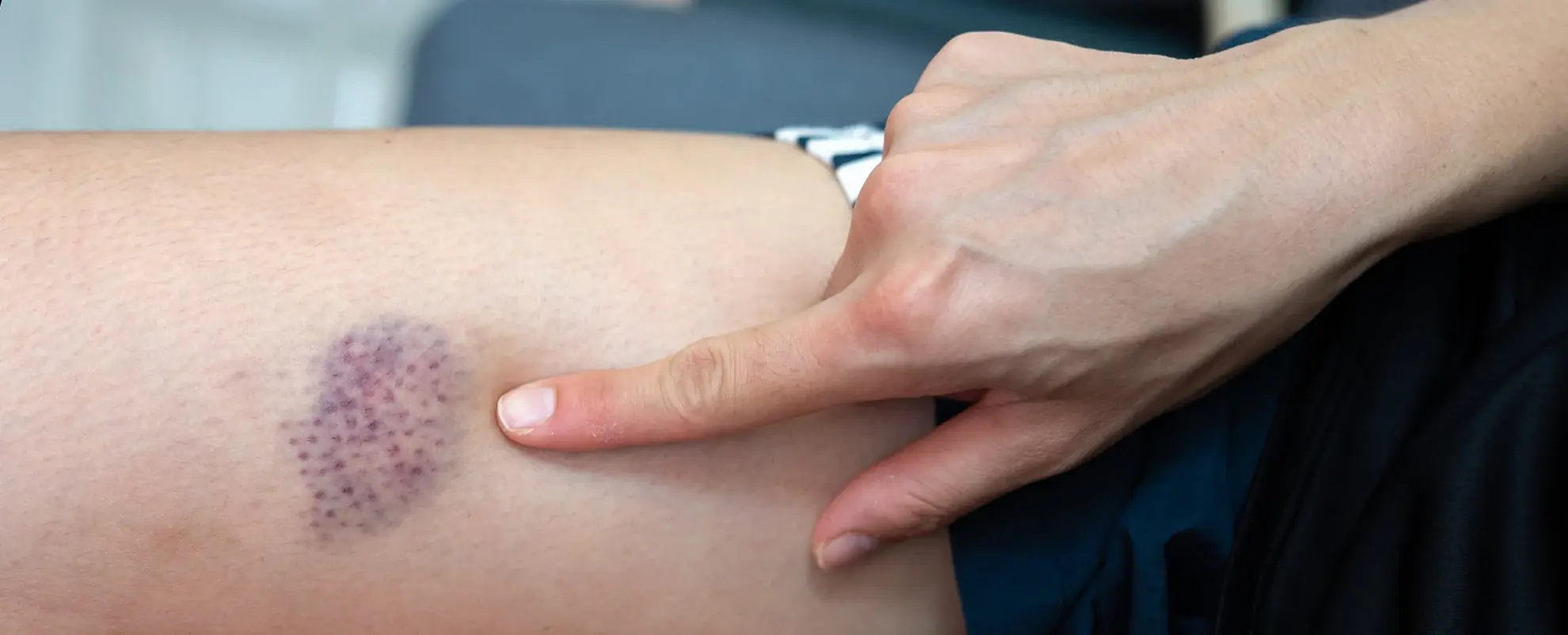
😲 Unexplained Bruising Is More Common Than You Think—Here's What It May Mean

Nutrition experts explain why sweet potatoes are considered one of the healthiest carbohydrate-rich foods and how they may support energy, digestion, and overall wellness.

Waking up in the middle of the night with a dry mouth is something many people

Waking up in the middle of the night with a dry mouth is something many people

According to the American Can.cer Society, the average adult in the United States has about a forty percent chance of developing cancer during their lifetime.

According to the American Can.cer Society, the average adult in the United States has about a forty percent chance of developing cancer during their lifetime.

Doctors are warning about two common nighttime beverages after a 41-year-old woman's death from acute kidney failure highlighted the potential risks of long-term unhealthy drinking habits.
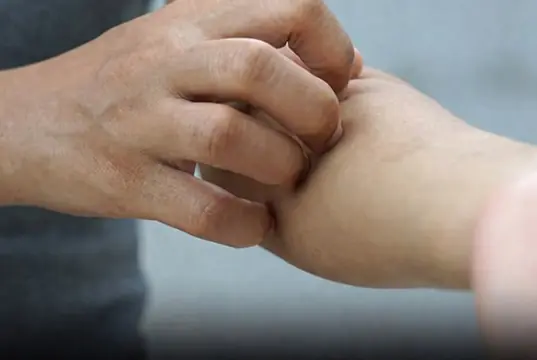
Nighttime itching may seem harmless—but it can signal serious disease.

Nighttime itching may seem harmless—but it can signal serious disease.