
Doctors Say Winged Beans May Be the Most Overlooked Superfood on Your Plate
Why Experts Are Suddenly Talking About Winged Beans
Facts 30/04/2026 23:49
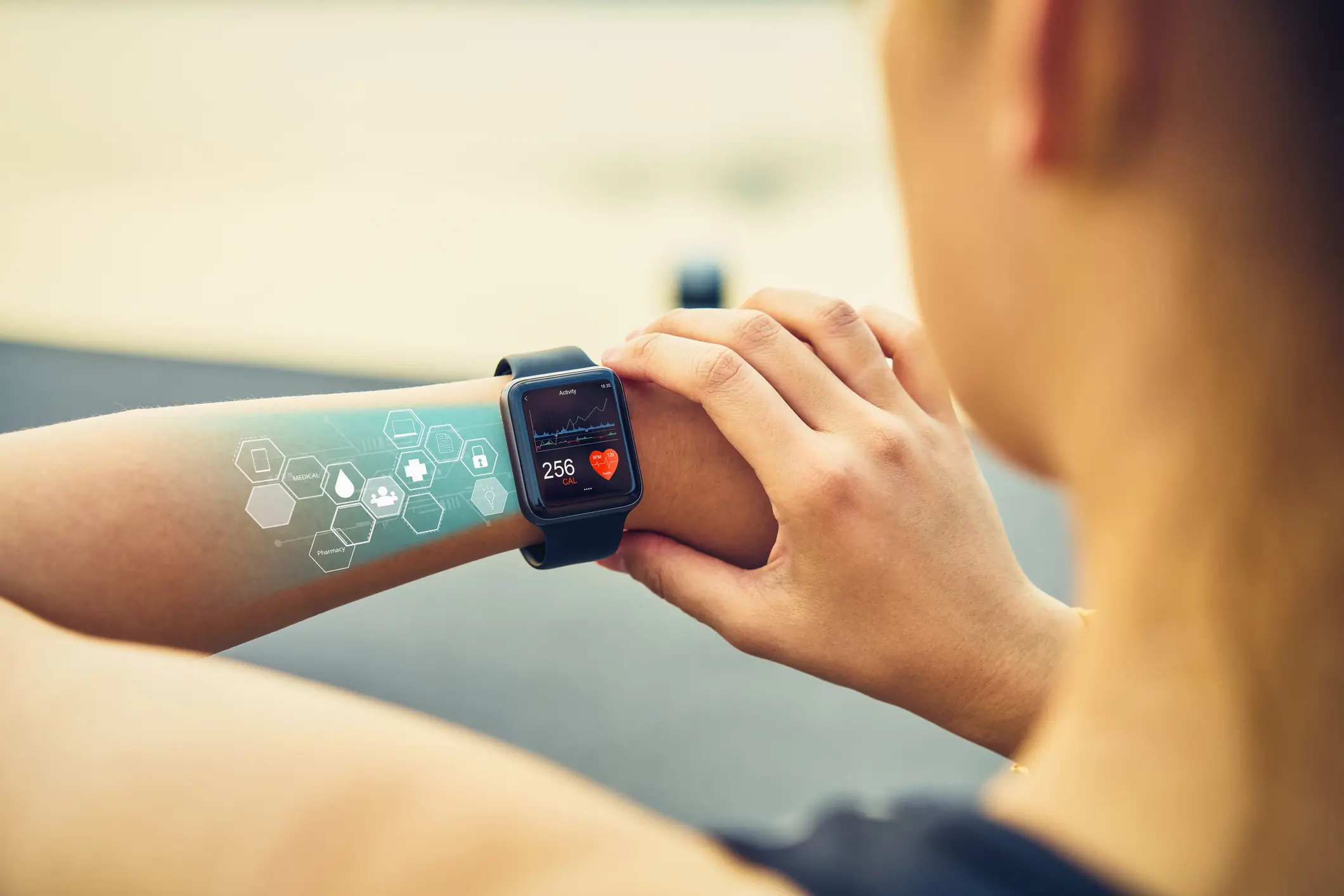
In recent years, wearable health devices have become an essential tool in modern healthcare, enabling continuous and real-time monitoring of vital physiological parameters. Devices such as smartwatches, fitness trackers, smart rings, and medical-grade wearables can now track blood oxygen levels, heart rate, sleep patterns, and stress indicators. These technologies are transforming preventive healthcare by empowering individuals with real-time health insights and supporting early detection of potential medical issues.
Wearable health devices are electronic technologies designed to be worn on the body to collect health-related data continuously. They rely on advanced sensors such as photoplethysmography, accelerometers, and temperature sensors to measure cardiovascular activity, respiratory patterns, physical movement, and sleep behavior. Unlike traditional medical assessments, wearables provide long-term, real-world data rather than isolated measurements.
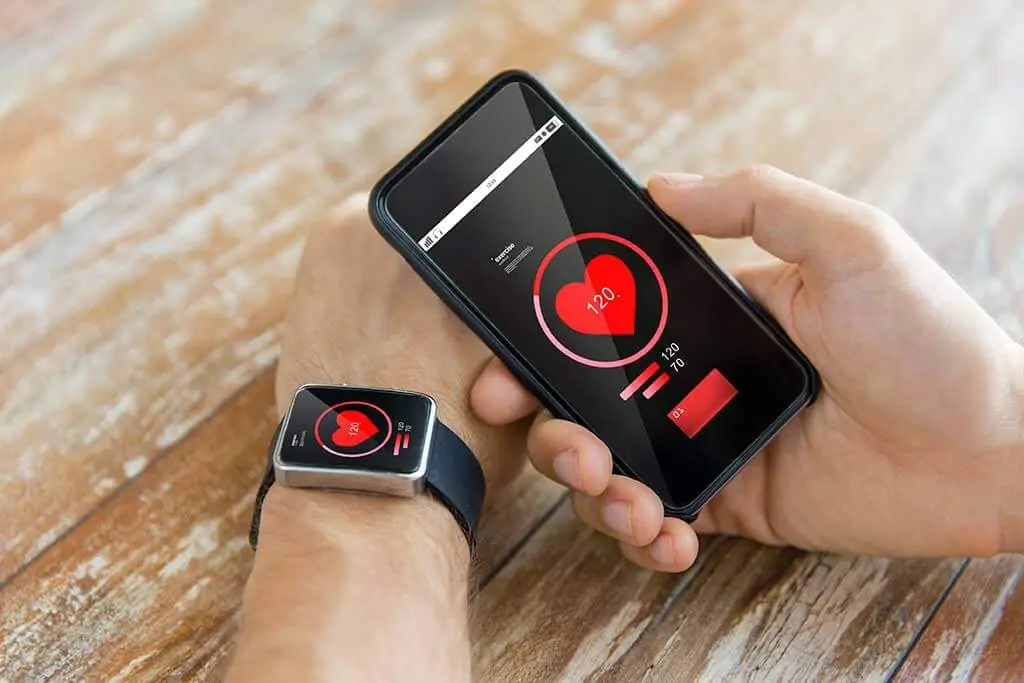
Blood oxygen saturation reflects how efficiently oxygen is being transported throughout the body. Normal levels typically range between 95% and 100%. Wearable devices estimate oxygen saturation by analyzing how light is absorbed and reflected through the skin.
Continuous SpO₂ monitoring is particularly valuable during sleep, as oxygen drops may indicate conditions such as sleep apnea, respiratory disorders, or impaired lung function. Real-time alerts can prompt users to seek medical evaluation before symptoms worsen.
Heart rate monitoring is one of the most established functions of wearable devices. By tracking heart rate continuously throughout the day and night, wearables can identify abnormal patterns such as persistent tachycardia, bradycardia, or irregular rhythms.
Some advanced devices can detect patterns suggestive of cardiac arrhythmias and encourage users to consult healthcare professionals for further evaluation. Resting heart rate trends over time also provide insight into cardiovascular fitness and overall health.
Sleep is a critical component of physical and mental health. Wearable devices analyze sleep duration, sleep stages, movement, heart rate, and breathing patterns to assess sleep quality.
Poor or disrupted sleep has been linked to increased risks of cardiovascular disease, metabolic disorders, cognitive decline, and mood disturbances. By monitoring sleep trends over time, wearables help users recognize unhealthy sleep habits and make lifestyle adjustments to improve rest and recovery.
Many wearable devices estimate stress levels using heart rate variability, a physiological marker of autonomic nervous system activity. Elevated stress levels over prolonged periods are associated with hypertension, immune dysfunction, and mental health disorders.
Wearables often include features such as guided breathing exercises, relaxation reminders, and mindfulness tools, allowing users to respond to stress in real time and support emotional well-being.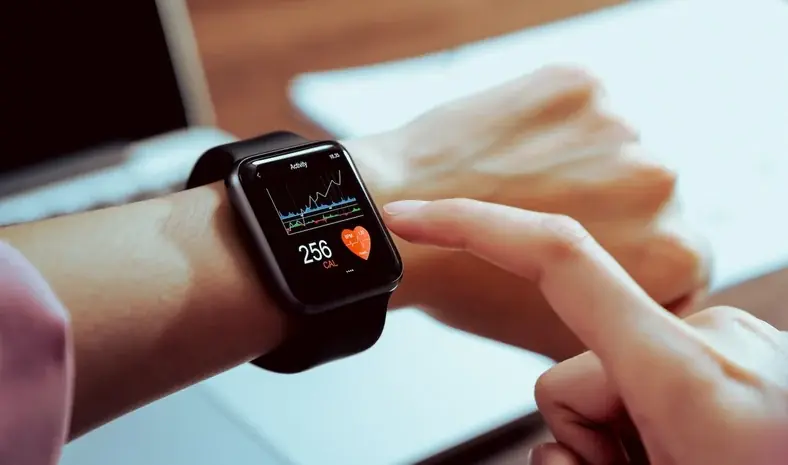
The real-time data provided by wearable devices offers several advantages in preventive medicine:
Early identification of abnormal physiological changes
Increased health awareness and engagement
Personalized health insights based on individual trends
Support for long-term monitoring of chronic conditions
These benefits make wearable technology a valuable complement to traditional healthcare.
Despite their growing role in healthcare, wearable devices are not diagnostic tools. Measurement accuracy can be affected by device quality, sensor placement, movement, and individual physiological differences. Data from wearables should always be interpreted cautiously and discussed with qualified healthcare professionals.
Privacy and data security are also important considerations, as wearable devices collect sensitive personal health information.
As technology advances, wearable devices are expected to become more precise, more personalized, and more closely integrated with healthcare systems. Future developments may include enhanced disease prediction using artificial intelligence, non-invasive glucose monitoring, and seamless integration with electronic medical records.
Wearable devices that track oxygen levels, heart rate, sleep, and stress in real time represent a significant advancement in personal and preventive healthcare. By providing continuous, actionable health data, these devices empower individuals to detect potential health issues early and make informed lifestyle decisions. While not a replacement for medical care, wearable technology is rapidly becoming an important partner in modern medicine.
Why Experts Are Suddenly Talking About Winged Beans

A lizard indoors may signal nature at work—not something to fear.

10 egg combinations that could affect your health more than you realize

This nighttime scene is raising serious concerns

Is ginger as harmless as people think? Doctors weigh in



Many people don’t realize this device uses more power than air conditioning

According to Nostradamus, those who own a cat may…

Why cats run away from home and never come back?

This small detail could turn $2 into thousands

You’ve seen this hand gesture a thousand times—but its meaning will surprise you

The hidden meaning behind the colored stripe on your toothpaste tube




8 hidden habits that can lead to bad odor in older women, according to doctors

Most People Miss This Sign — A Toad in Your House Isn’t Random

The Hidden Feature on Milk Bottles That Almost Nobody Understands

5 Important Warning Signs of Colorectal Cancer You Should Know
Doctors Reveal What Happens to Your Body When You Eat Boiled Eggs Every Morning

5 health warning signs that may be caused by gallstones in the gallbladder

A Tiny Detail in Your Mouth Could Reveal Big Health Issues

Garlic Is Healthy—Until You Do This

Avocado may have unexpected effects on your health, doctors reveal…

If You Wake Up Tired, This Could Be the Reason

He Thought It Was Just Shoulder Pain—6 Months Later, It Was Cancer

If your body starts itching and these spots appear, take it seriously…

Ginger may help reduce menstrual discomfort and support cycle health.

This common fruit could be a game-changer for people over 60 😮👇

Chestnuts have surprising effects on your body, according to medical experts

Why Stomach Cancer Is Increasing: Doctors Reveal Two Common Triggers in Your Fridge
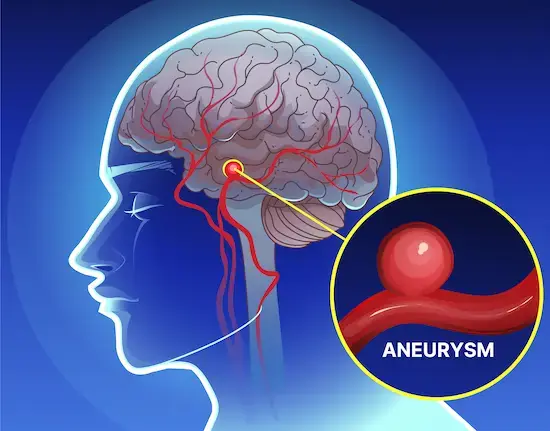
Aneurysm: Vital Symptoms That Demand Your Attention

Walnuts and your health—what experts want you to know
Why Experts Are Suddenly Talking About Winged Beans

Before you eat peanuts daily, here’s what doctors recommend
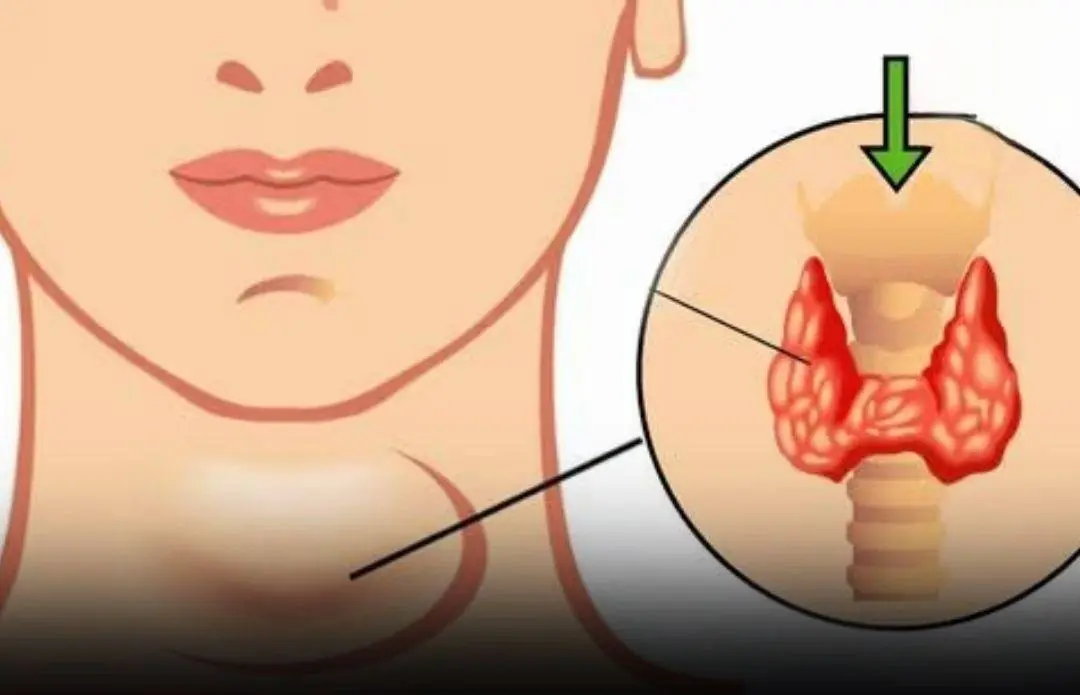
Thyroid Can.cer Warning: 7 Early Body Changes — The First 3 Are Surprisingly Common
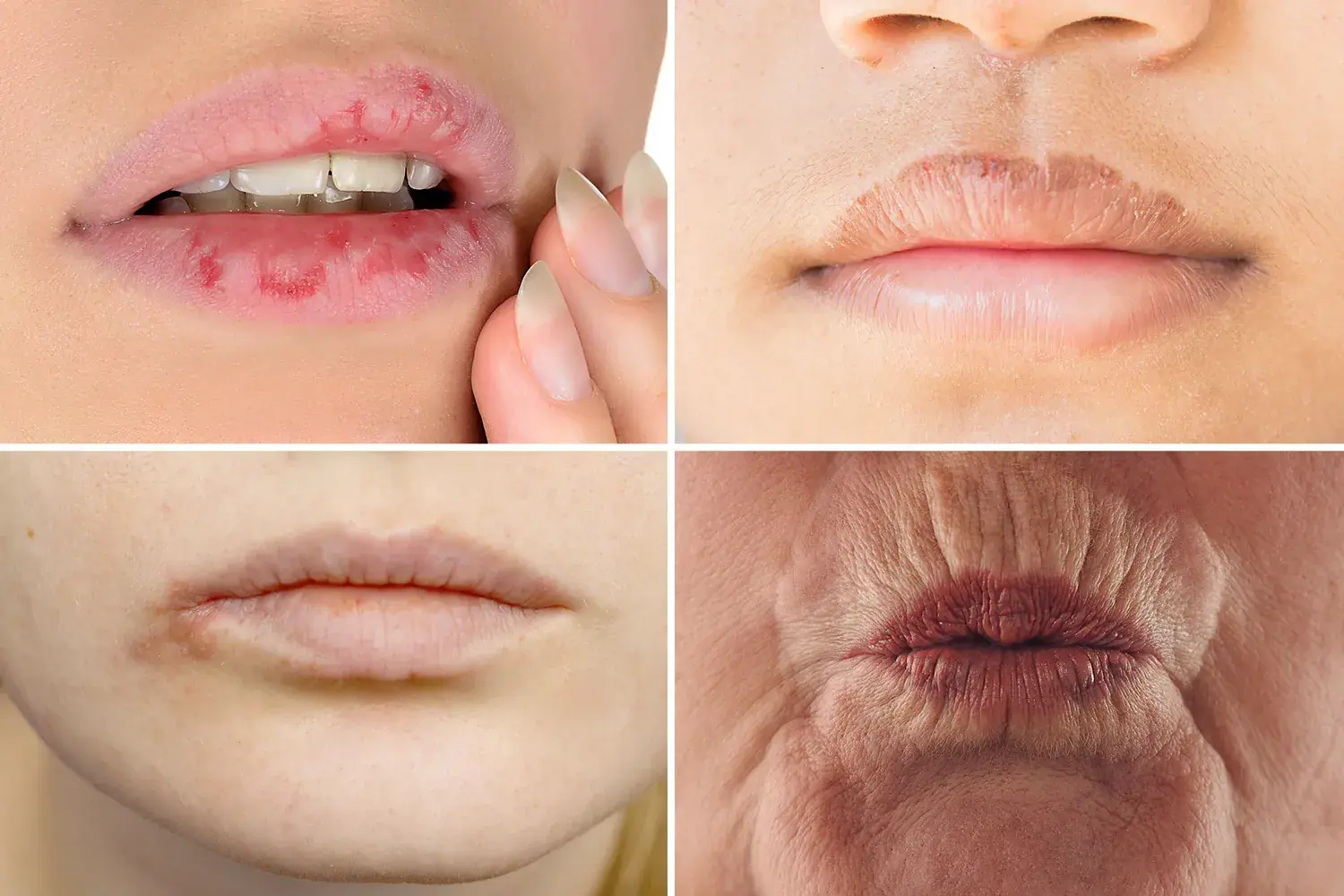
If You Notice THIS on Your Lips, Don’t Ignore It…
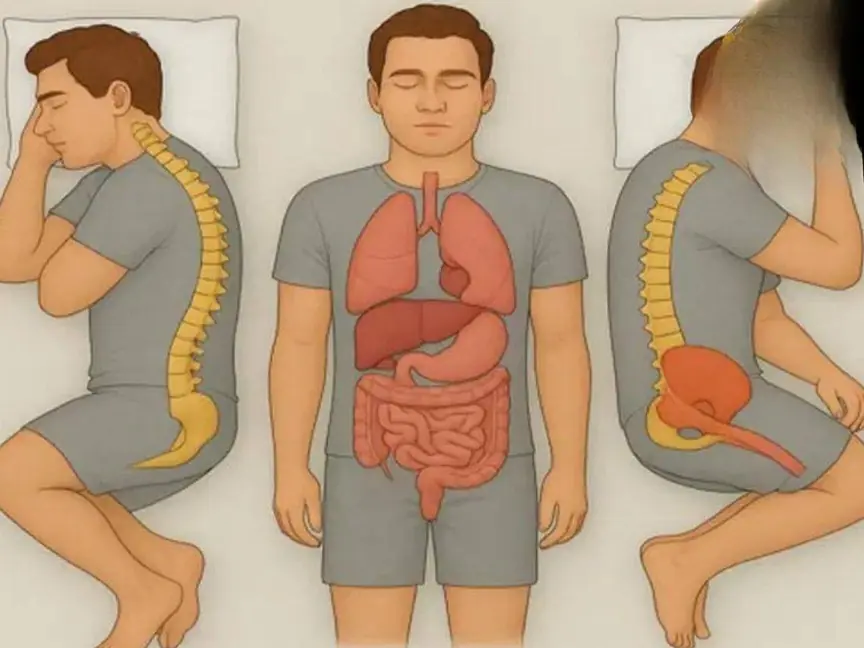
Are you sleeping the wrong way? How your sleep position silently impacts your health - let’s break it down