
Many Women Overlook This Small Detail on Their Feet—But It May Matter
This Small Detail on Your Toes Could Say More About Your Health Than You Realize
Facts 27/07/2026 12:49
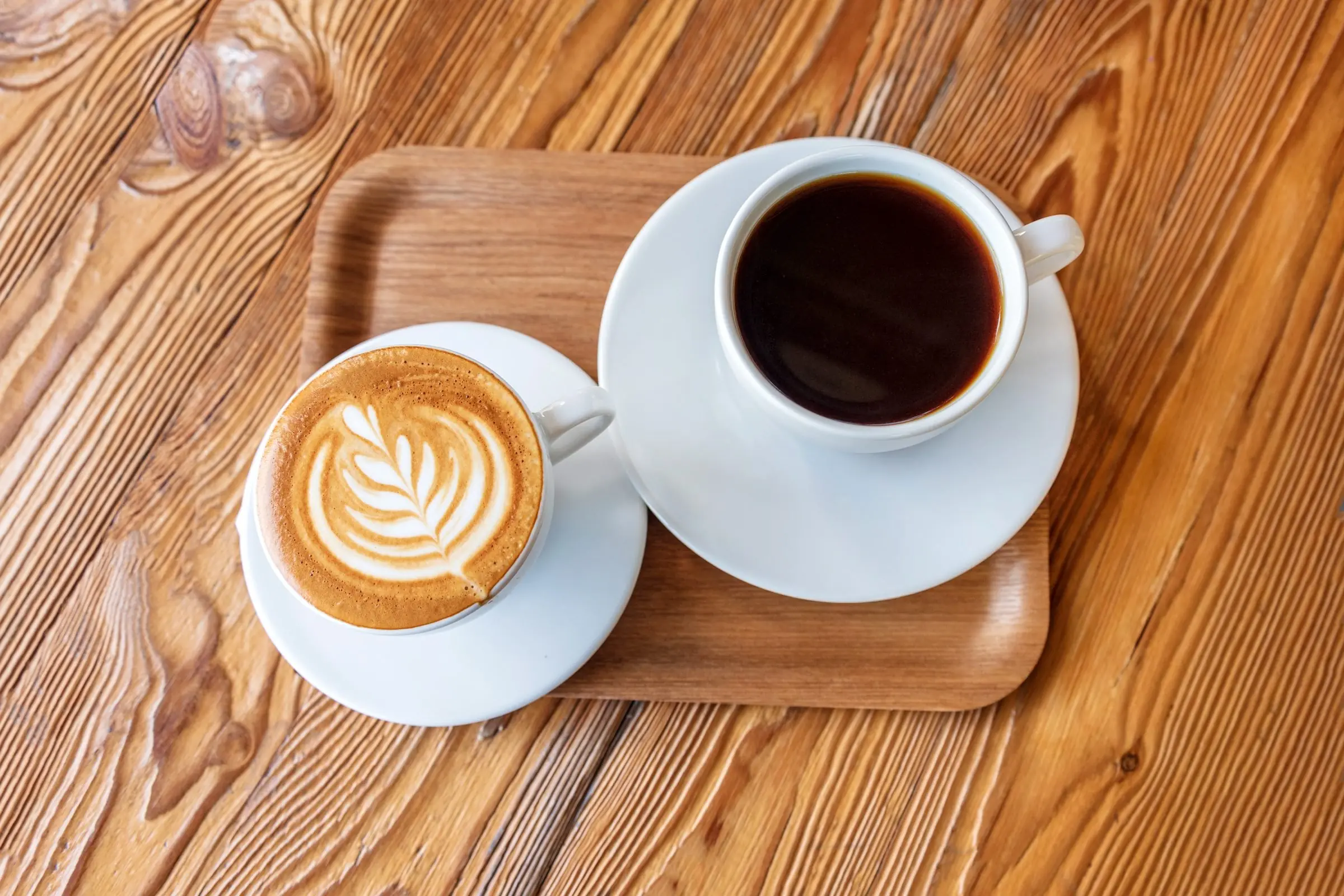
There’s something magical about that first sip of hot coffee in the morning — the aroma, the warmth, the instant spark of energy. But beyond being a comforting ritual, coffee might also hold the secret to healthy aging, especially for women. New research shows that moderate coffee consumption could help women stay stronger, sharper, and healthier as they grow older.
According to Science Alert, a 30-year study involving 47,513 women in the United States revealed a positive link between moderate coffee intake in midlife and markers of healthy aging. Conducted by researchers from Harvard University and the University of Toronto, the study suggests that caffeine — specifically from regular coffee, not decaf or tea — may play a key role in maintaining both physical and mental well-being over time.
“This is the first long-term study to examine the effects of coffee on multiple aspects of aging across three decades,” said Sara Mahdavi, a nutritional scientist at Harvard and Toronto.
Her team analyzed data from the Nurses’ Health Study, a large-scale project that tracked lifestyle and health patterns among thousands of American nurses from 1984 to 2016. Researchers defined “healthy aging” as reaching the age of 70 or older without major chronic diseases, while maintaining good physical, mental, and cognitive health.
After adjusting for lifestyle factors such as smoking, alcohol consumption, exercise, and body mass index (BMI), the researchers found something remarkable:
Women who drank one to two cups of caffeinated coffee a day had a significantly higher chance of aging healthily compared to those who didn’t drink coffee at all.
By 2016, researchers identified 3,706 women who met the criteria for “healthy aging.” Among them, nearly 80% of their daily caffeine came from coffee — roughly the equivalent of three small cups per day.
Interestingly, tea and decaffeinated coffee didn’t show the same benefits. Even more striking, caffeinated soft drinks had the opposite effect. Women who drank soda every day had a 20–26% lower chance of aging healthily.
In other words:
☕ Coffee = supports healthy aging.
🍵 Tea and decaf coffee = neutral effect.
🥤 Caffeinated soda = harmful to longevity.
The researchers believe this is because coffee contains hundreds of bioactive compounds, including antioxidants and polyphenols, which help reduce inflammation, protect cells from oxidative damage, and improve metabolic function — all key factors in slowing the aging process.
For women, aging often comes with hormonal shifts that can affect mood, bone density, and cognitive performance. Coffee, in moderate amounts, seems to counterbalance some of these changes.
Caffeine improves blood circulation, boosts alertness, and may even enhance memory and concentration. Meanwhile, coffee’s antioxidants — particularly chlorogenic acid — help reduce the risk of chronic conditions like heart disease, diabetes, and neurodegenerative disorders.
While coffee offers powerful benefits, it’s not a miracle cure. As Mahdavi notes, “These results, though preliminary, suggest that small, consistent habits can shape long-term health. Moderate coffee consumption may offer protective benefits when combined with other healthy lifestyle behaviors — such as regular exercise, balanced nutrition, and avoiding smoking.”
Experts generally recommend keeping daily caffeine intake below 400 mg (about 3–4 cups of brewed coffee). Drinking too much can lead to insomnia, anxiety, or digestive discomfort.
Coffee isn’t just a pick-me-up — it’s a daily ritual that might help your body and mind age gracefully. When enjoyed in moderation, your morning cup could be doing far more than boosting your energy — it could be quietly working to preserve your strength, your sharpness, and your glow for decades to come.
So the next time you pour that perfect cup, remember: you’re not just waking up your mind — you might also be slowing down time. ☕💫
This Small Detail on Your Toes Could Say More About Your Health Than You Realize

The Hidden Reason Centipedes Keep Appearing in Some Homes... See more ⏬


One Simple Choice, Eight Different Personalities


😱 Millions of Dog Owners Have Experienced This Without Knowing Why... See More

You Should Never Ignore Waking Up at 3 or 4 A.M.—It Could Be a Warning Sign 😨👇

Almost everyone hates slugs—but...



Most People Misunderstand This Common Sleeping Position

Have You Ever Wondered Why Lizards Enter Homes? Here's One Traditional Interpretation


Dogs Have an Amazing Sense of Smell—And This Habit Actually Makes Perfect Sense...



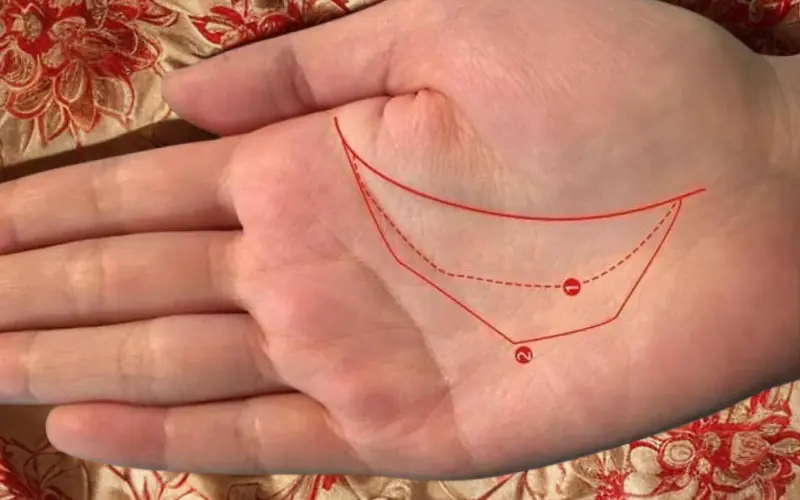
A Guide to the Main Palm Lines and Their Traditional Meanings

Before You Replace Your Jeans, Here's Why They May Be Wavy After Washing

Hidden Inside This Common Fish Could Be Something You Never Expected… 😨🐟 See More 👇👇
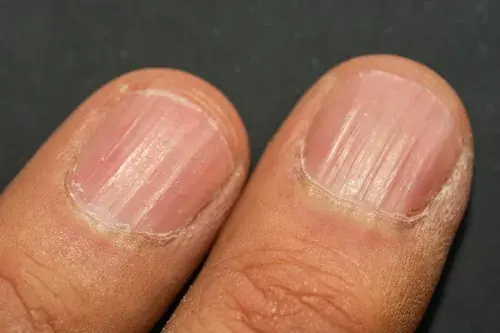
Most People Over 40 Overlook These Nail Changes—Here's Why They Matter



Thinking About Gallbladder Removal? Here's What You Should Know



This Small Detail on Your Toes Could Say More About Your Health Than You Realize

Eggs are nutritious, but eating them daily isn't the best choice for everyone.
Don't ignore these common warning signs.

Doctors Reveal the Warning Signs of Low Blood Sugar

The Silent Signs of Colorectal Can.cer Many People Miss

Unsafe food storage habits may increase exposure to dangerous food toxins.

Cucumbers are among the most popular vegetables used in salads around the world. Refreshing, low in calories, and packed with water, they are often associated with healthy eating and weight management.

Can Eating Too Much Ginger Be Harmful? A Case Report Highlights Possible Risks

The School Uniform Rule Many Students Don't Know

Why Sleeping Before 10 PM May Be One of the Best Habits for Your Health: 9 Reasons

Why Beets Are Considered a Nutritious Addition to a Healthy Diet?

Can eating eggs daily affect your health? Here's what experts say.

Raw green onions can harbor germs if not cleaned and handled with care.